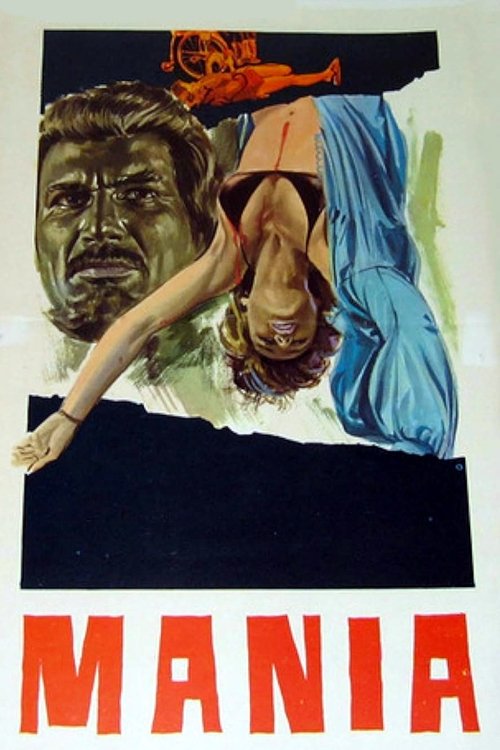
Mania
1974
No user ratings available yet
Representation score: 4.0 out of 10
Representation Score
Fair
1966
Director
Mino Guerrini
Runtime
98 minutes
Average Rating
No ratings yetNew Showbiz Analysis
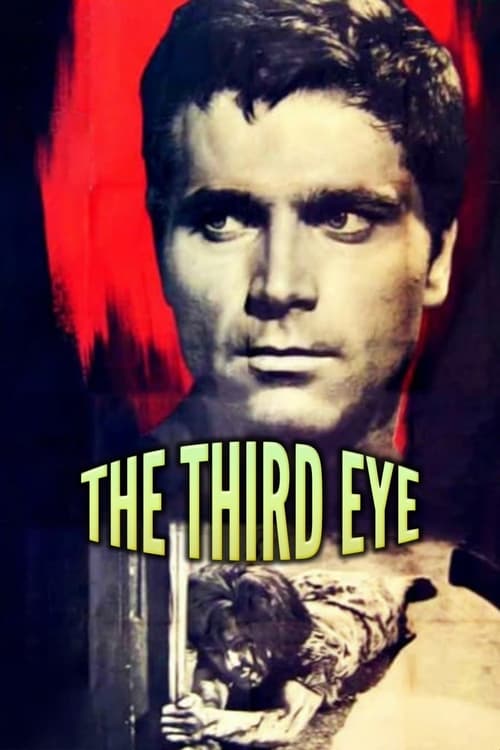
The Third Eye serves as a dark deconstruction of aristocratic stability. It challenges traditional gender roles by portraying the male lead as infantile and inadequate, while women exert significant influence through violence and aggression. However, the film is limited by its narrow demographic focus, offering little racial or LGBTQ+ representation. Psychological elements are framed through genre clichés rather than authentic representation.
Category Breakdown
The film does not include explicit LGBTQ+ identities or relationships that challenge traditional heterosexual norms. Conflicts arise from toxic heterosexual dynamics and maternal jealousy.
Women play a significant role in driving the plot through extreme violence and strong influence. The male character lacks traditional masculine competence, subverting the typical patriarchal leadership.
The setting focuses on a homogeneous European aristocratic society. There is no indication of racial blending or diverse ethnic perspectives within the narrative.
The film critiques the sanctity of traditional heritage by showing the noble family as a decaying institution. It replaces Christian morality with primal instincts.
The protagonist's psychological instability and infantile behavior drive the horror. However, these traits are used as thriller clichés rather than nuanced depictions of neurodivergence.
Present on Screen
Limited or Absent
Official Synopsis
Young nobleman Mino lives with his mother and Marta, the housekeeper, in an old, decaying castle. He is infantile and morbidly attached to the weird duo; his only hobby is taxidermy. Laura, Mino's fiancee, is met with jealousy and hatred by the two women, and decides to leave the castle; but Marta sabotages her car brakes and she is killed. Mino takes her body back to the castle. Meanwhile, his mother is violently arguing with Marta, who throws her down the stairs and repeatedly bashes her head on the floor. The distraught Mino descends into madness: he picks up a stripper at a nightclub and brings her home, then strangles her while having sex next to Laura's dead body. He does the same with a prostitute. Marta discovers these murders and offers to help dispose of bodies. A year later, Daniela (Laura's twin sister) arrives at the castle...
1974

1972
1971
1973
1982
1974
1975
1969
No reviews yet. Be the first to share your thoughts on this movie!
Use the rating form above to leave a star rating and optional review.