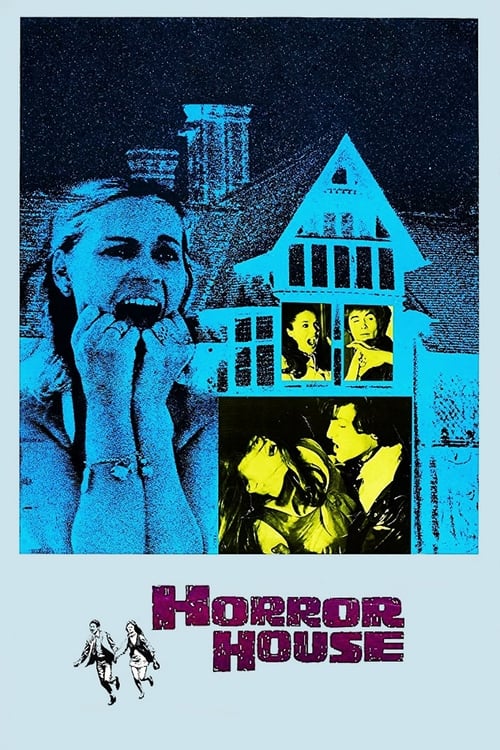
The Haunted House of Horror
1969
No user ratings available yet
Representation score: 2.4 out of 10
Representation Score
Fair
1972
RDirector
Pete Walker
Runtime
93 minutes
Average Rating
No ratings yetNew Showbiz Analysis
Pete Walker’s film is a visceral exercise in 1970s exploitation cinema, prioritizing suspense and stylistic transgression over social representation. The narrative relies on established genre clichés that favor tension and shock value. The production adheres to the demographic and thematic norms of its era, focusing on a localized ensemble. It lacks the multi-layered approach required to challenge traditional social hierarchies or provide meaningful representation for underrepresented groups. Ultimately, the film functions as a genre-driven thriller where characters serve the mechanics of the slasher plot rather than acting as vehicles for diverse perspectives.
Category Breakdown
The film does not include explicit representations of LGBTQ+ identities or non-straight narratives. It follows a standard slasher framework where any potential themes of repressed desire are incidental to the plot.
Women play central roles within the theater setting, yet their influence is often limited. They frequently serve as primary targets for the antagonist's violence within the slasher mechanic.
The cast reflects the demographic homogeneity typical of 1972 British low-budget horror. There is no indication of significant racial blending or non-white ensembles to challenge casting norms.
The narrative critiques social stability by introducing chaos into a seaside theater. This critique of communal institutions is a byproduct of the horror genre rather than a structured social commentary.
No characters with visible or invisible disabilities are portrayed with real influence. Physical or mental instability is used as a source of terror rather than a nuanced exploration of neurodivergence.
Present on Screen
Limited or Absent
Official Synopsis
Actors rehearsing a show at a mysterious seaside theater are being killed off by an unknown maniac.
1969
1970
1983

1964
1977
1968
1979
1976
No reviews yet. Be the first to share your thoughts on this movie!
Use the rating form above to leave a star rating and optional review.