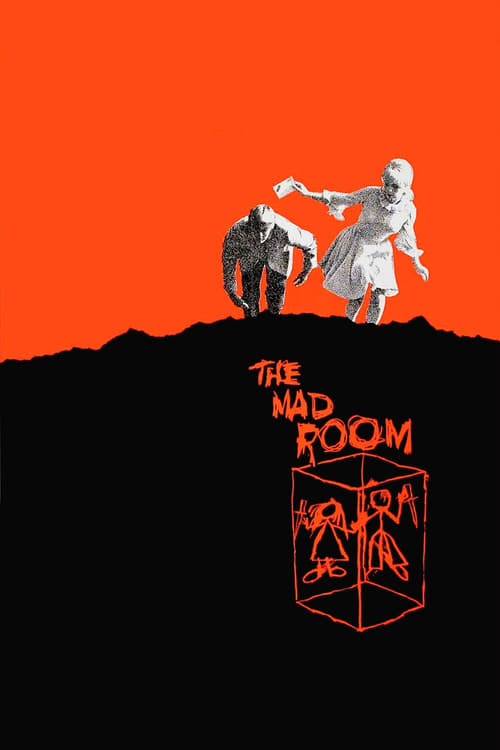
The Mad Room
1969
No user ratings available yet
Representation score: 2.6 out of 10

Representation Score
Limited
1973
PGDirector
Jean-Marie Pélissié
Runtime
85 minutes
Average Rating
No ratings yetNew Showbiz Analysis
The film is a psychological thriller centered around personal revenge rather than social progress. While it presents a dark subversion of female passivity, the narrative remains narrow in scope. Its primary strength lies in its portrayal of women's ability to drive the story, where the protagonist uses her resources to dismantle domestic stability. However, the film lacks diversity and does not address broader social or economic issues.
Category Breakdown
The film focuses on a traditional heterosexual relationship and does not include any non-straight identities or critiques of heterosexuality.
Barbara challenges traditional gender roles by rejecting the role of a victimized wife and transforms from a nervous bride into a calculated architect of chaos.
The story is set in a wealthy social environment that lacks racial or ethnic diversity.
The film questions the sanctity of marriage by turning a home into a place of torment but does not offer a broader critique of social or economic systems.
The protagonist is described as neurotic, but it is unclear if this represents a meaningful portrayal of mental health. There is insufficient evidence to assign a score.
Present on Screen
Limited or Absent
Official Synopsis
Neurotic and newlywed Barbara finds her husband in bed with his old flame, Ellen. Barbara doesn't get mad — she gets even. Using funds supplied by her wealthy father, the scorned bride turns the couple's love nest into a dungeon of horror.
1969

1971

1973

1970
1982

1990

1971
1968
No reviews yet. Be the first to share your thoughts on this movie!
Use the rating form above to leave a star rating and optional review.