The Egyptian
1954
No user ratings available yet
Representation score: 3.8 out of 10
Representation Score
Limited
1970
Director
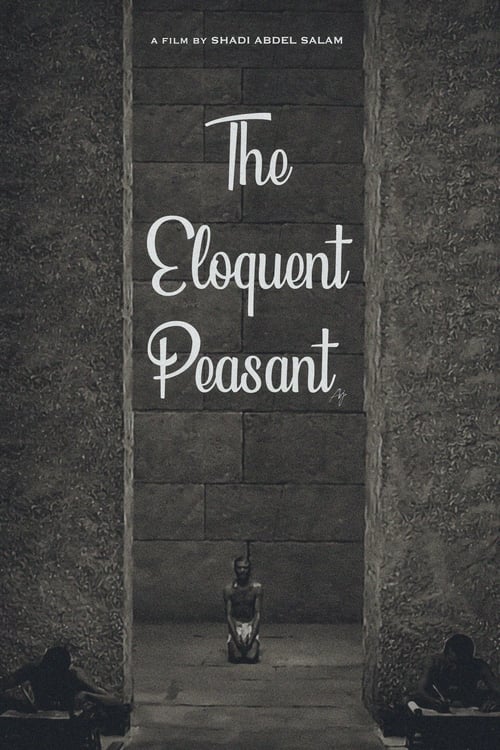
Shadi Abdel Salam
Runtime
20 minutes
Average Rating
No ratings yetNew Showbiz Analysis
Shadi Abdel Salam’s work is a profound exercise in historical realism that prioritizes a class-based critique of power. By centering the voice of a underrepresented peasant against a backdrop of institutional corruption, the film subverts traditional hierarchies through the lens of social justice. While the film excels in cultural authenticity and the deconstruction of socioeconomic structures, it remains limited by its historical setting. The narrative does not engage with gender diversity or LGBTQ+ identities, remaining tethered to the period's social norms. Ultimately, the film serves as a powerful tool for exploring individual ability to act against oppressive systems, even as it stays within the bounds of traditional gender roles.
Category Breakdown
The film adheres strictly to the social structures of Middle Kingdom Egypt. There are no documented queer narratives or non-straight relationships present in the text.
The story operates within a traditional patriarchal framework. It focuses on the male protagonist's role rather than centering female characters or disrupting established gender hierarchies.
The film provides an authentic depiction of indigenous Egyptian peasantry and nobility. It avoids Western-centric casting by centering an ancient African civilization and its unique identity.
The narrative offers a sophisticated critique of systemic power and class-based oppression. It uses the protagonist's eloquence to challenge the corruptive potential of institutional authority and state bureaucracy.
There are no prominent depictions of physical or neurodivergent disabilities. No such traits serve as central drivers for the characters or the plot.
Present on Screen
Limited or Absent
Official Synopsis
Based on one of the major literary texts survived from the Middle Kingdom, the classical period of Egyptian literature, The Eloquent Peasant is a combination of a morality/folk tale and a poem. The events are set between 2160 and 2025 BC. When the peasant Khun-anup and his donkey stumble upon the lands of the noble Rensi, the peasant’s goods are confiscated and he’s unjustly accused of theft. The peasant petitions Rensi who is so taken by the peasant’s eloquence that he report his astonishing discovery to the king. The king realises the peasant has been wronged but delays judgement so as to he can hear more of his eloquence. The peasant makes a total of nine petitions until finally, his goods are returned.
1954
1971
1966
1982
1997

2010
1950
1998
No reviews yet. Be the first to share your thoughts on this movie!
Use the rating form above to leave a star rating and optional review.