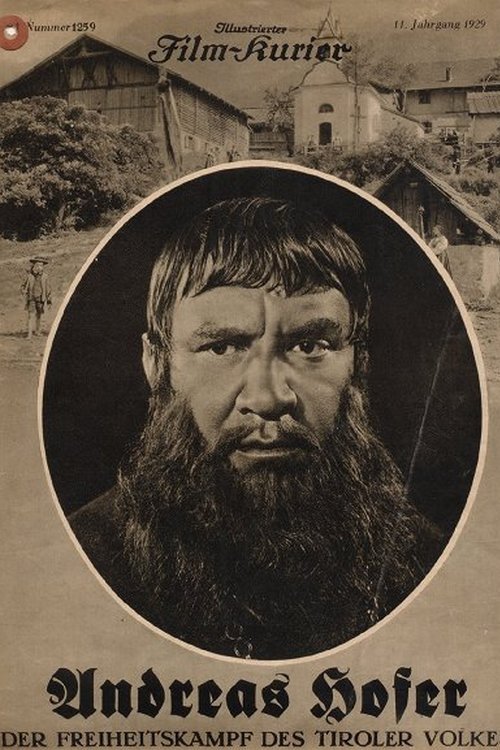
Andreas Hofer
1929
No user ratings available yet
Representation score: 1.3 out of 10
Representation Score
Minimal
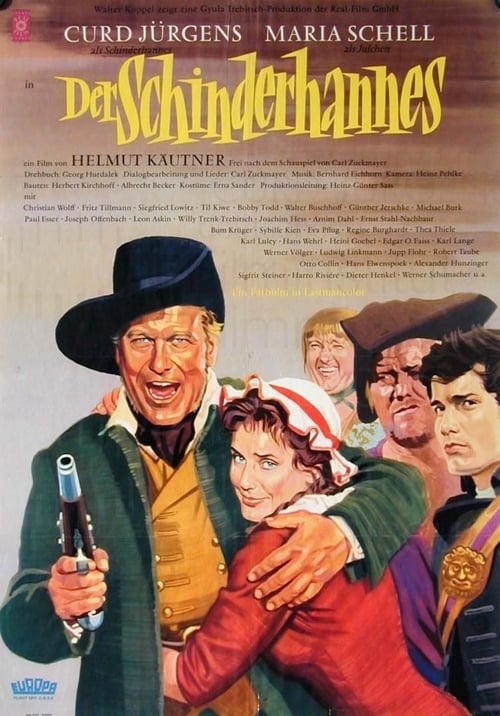
1958
Director
Helmut Käutner
Runtime
115 minutes
Average Rating
No ratings yetNew Showbiz Analysis
Helmut Käutner’s historical drama offers a nuanced look at class struggle during the Napoleonic Wars. While the film is limited by the era's social norms and its homogeneous cast, it provides a sophisticated critique of systemic oppression. The narrative elevates the protagonist from a simple criminal to a figure of resistance against exploitative landowners and foreign occupiers. This focus on the ability to act of the underrepresented peasantry adds moral complexity often missing from period pieces. However, the film remains constrained by traditional gender hierarchies and a lack of diverse ethnic or LGBTQ+ representation. It is a character-driven study of historical resistance rather than a modern exploration of identity.
Category Breakdown
The film does not depict any LGBTQ+ identities. The narrative stays within the romantic and social conventions of the early 19th century.
Female characters mainly serve as emotional anchors or figures influenced by socio-political instability. They do not have the ability to act to drive the central conflict but are not portrayed as caricatures.
The cast is ethnically uniform, reflecting the 1958 production context and historical setting. The narrative centers on internal European tensions between local populations and French occupying forces.
The film critiques established power structures by focusing on a social bandit. It highlights the tension between the working class and the ruling elite through a narrative of resistance.
There are no prominent depictions of visible or invisible disabilities that serve as central character arcs or plot devices.
Present on Screen
Limited or Absent
Official Synopsis
1802: The adventurous life story of Hans Bückler, known as “Schinderhannes”, who fights against the French occupying forces and large landowners who exploit poor farmers in the Hunsrück region during the Napoleonic Wars.
1929
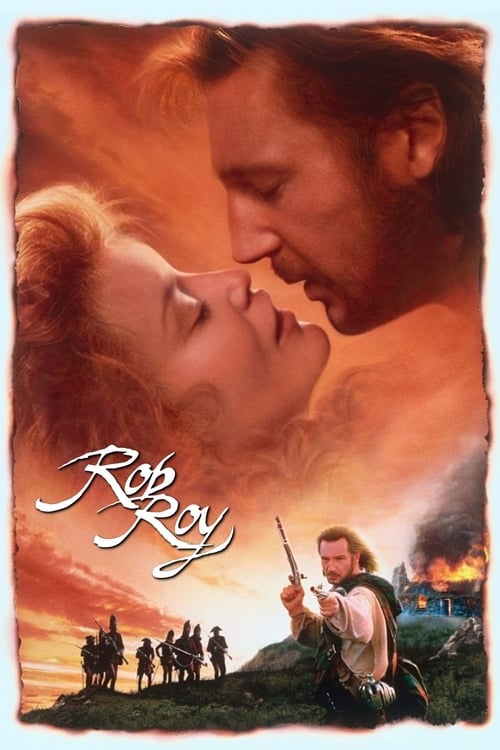
1995
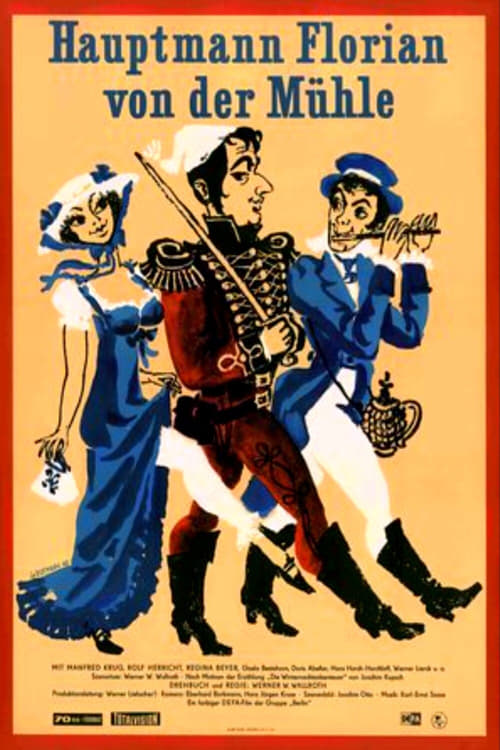
1968
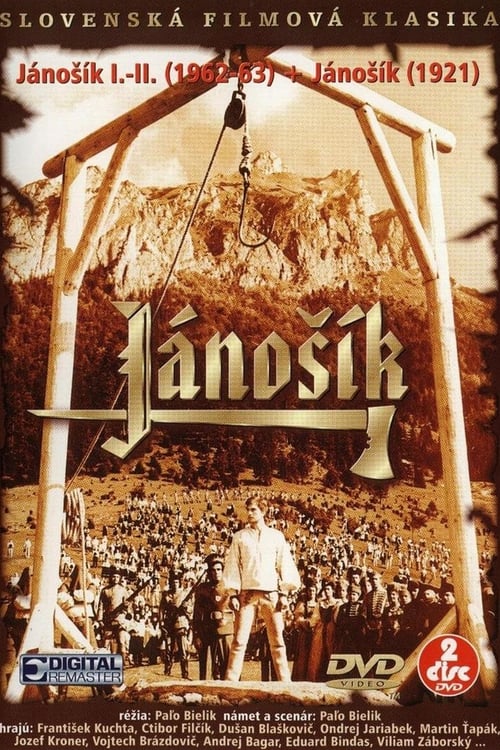
1963
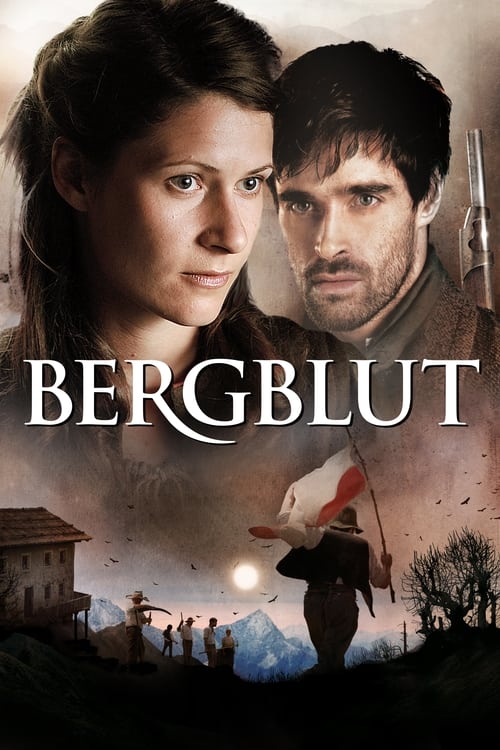
2010
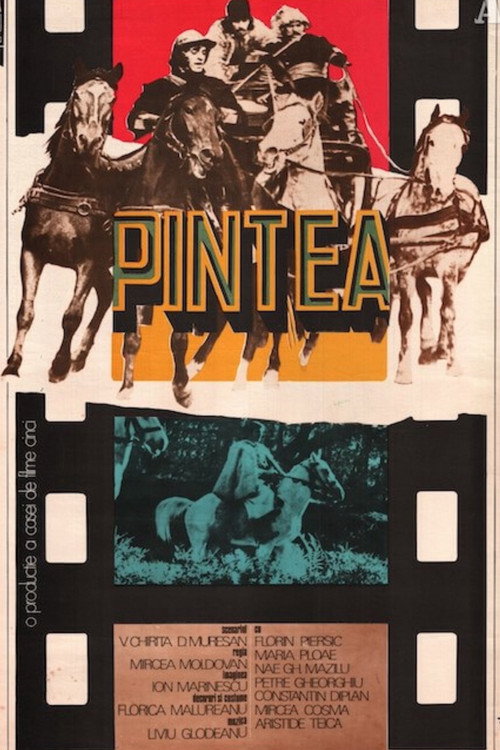
1976
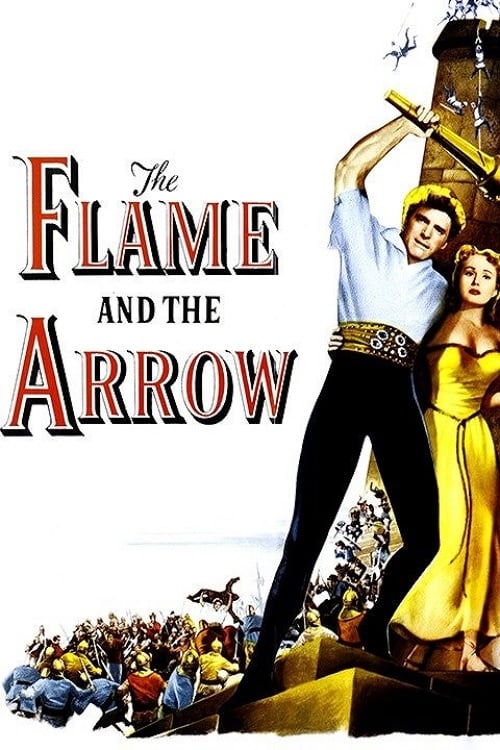
1950
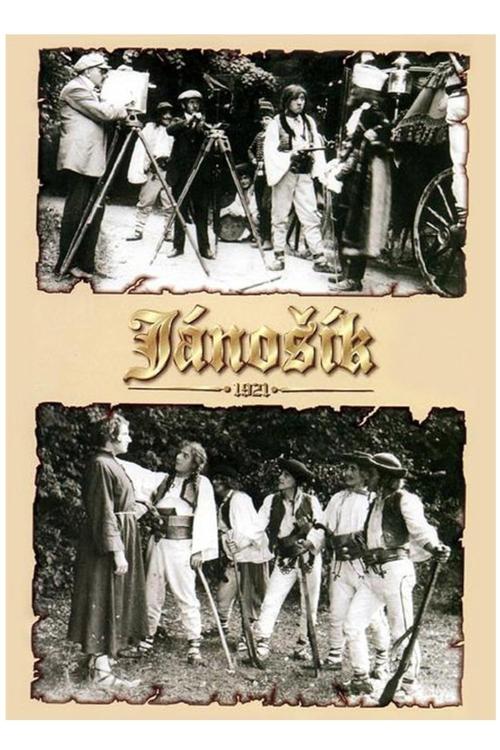
1921
No reviews yet. Be the first to share your thoughts on this movie!
Use the rating form above to leave a star rating and optional review.