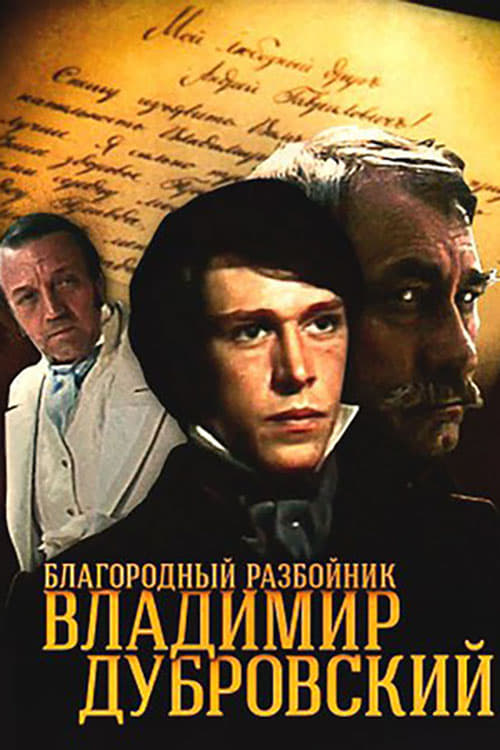
Vladimir Dubrovsky: The Noble Robber
1990
No user ratings available yet
Representation score: 1.9 out of 10
Representation Score
Limited
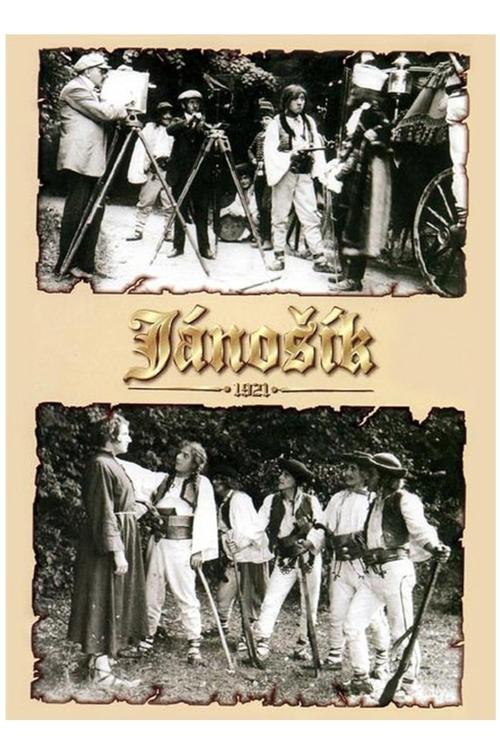
1921
Director
Jaroslav Siakeľ
Runtime
68 minutes
Average Rating
No ratings yetNew Showbiz Analysis
Jánošík (1921) is a cultural work that emphasizes class struggle and regional folklore over modern identity issues. The film centers on the folk hero's fight against feudal oppression. Though the film lacks diversity in terms of gender and LGBTQ+ representation, it offers a critique of established power structures. By focusing on a underrepresented figure challenging authority, the film addresses themes of systemic inequality. Ultimately, the film's impact lies in its anti-authoritarian message rather than a diverse cast. It serves as an early exploration of social justice through the lens of national folklore.
Category Breakdown
The film does not include any queer narratives or non-straight identities. It follows traditional social structures and romantic ideals from the early 20th century.
The story revolves around a male protagonist fighting against feudalism. Female characters tend to have secondary or domestic roles, reinforcing traditional gender roles.
As a historical drama focused on Slovak folklore, the film likely features a homogeneous ethnic cast reflecting the era and region.
The story highlights social justice by presenting a former friar as a symbol of resistance against feudal oppression. It emphasizes the struggle of peasants against oppressive institutions.
There is no mention of physical or neurodivergent disabilities being portrayed in this production.
Present on Screen
Limited or Absent
Official Synopsis
Janosík, a friar retrained as a bandit, becomes the farmers' symbol of resistance and fight against the feudal conditions.
1990

1967
1939
2009
1947
1963
1972

1941
No reviews yet. Be the first to share your thoughts on this movie!
Use the rating form above to leave a star rating and optional review.