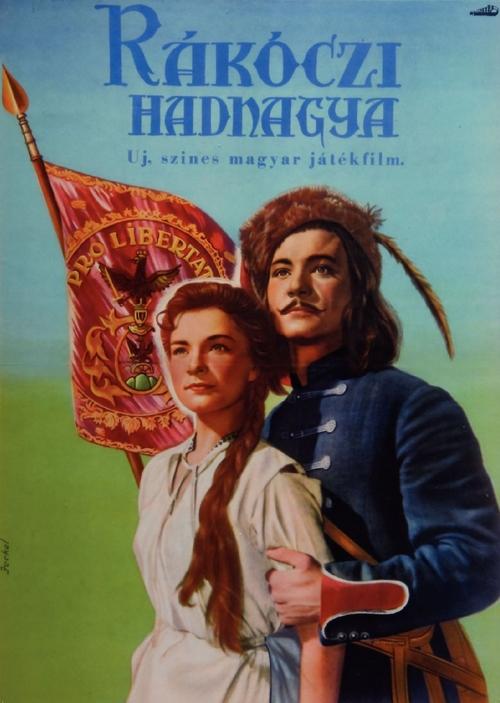
Rákóczi's Lieutenant
1954
No user ratings available yet
Representation score: 3.0 out of 10

Representation Score
Limited
1976
Director
Mircea Moldovan
Runtime
94 minutes
Average Rating
No ratings yetNew Showbiz Analysis
Pintea is a historical action drama that stands out for its thematic subversion rather than broad social representation. The film effectively portrays a critique of imperial power and systemic corruption, framing the protagonist's journey as a necessary rebellion against injustice and torture. However, the film is constrained by its traditional period setting and genre conventions. The narrative is dominated by men's control over the story and focuses on military desertion and combat, leaving little room for diverse gender roles or underrepresented identities. Ultimately, while the film offers a compelling exploration of ethnic resistance and anti-authoritarianism, it remains a conventional historical epic in terms of its social and gender dynamics.
Category Breakdown
The film does not include any LGBTQ+ characters or narratives, sticking to the traditional social structures of an 18th-century historical setting.
Narrative ability to act is heavily focused on male characters, particularly the protagonist and his peasant companions. Women are mentioned as victims of oppression but do not drive the combat-focused plot.
The story centers on a Romanian population resisting the Austrian Empire, highlighting the ethnic conflict between the occupied community and the external imperial power.
The film strongly critiques imperial institutions and systemic corruption, presenting the struggle of the peasantry against centralized authority as a justified response to state oppression.
There is no evidence of characters with visible or invisible disabilities being part of the story. No such characters are shown taking an active role.
Present on Screen
Limited or Absent
Official Synopsis
The movie is set in 18th century Maramureș region of Romania. The Romanian officer Grigore Pintea return to his village and finds out that his parents were killed, and other villagers were tortured because they protested against the unfair treatment of Bartolok Graff. He deserts the Austrian army and he becomes an outlaw. He is joined by many peasants and so his band manages to occupy 2 fortresses.
1954

1967
1963

2015
1977
2010
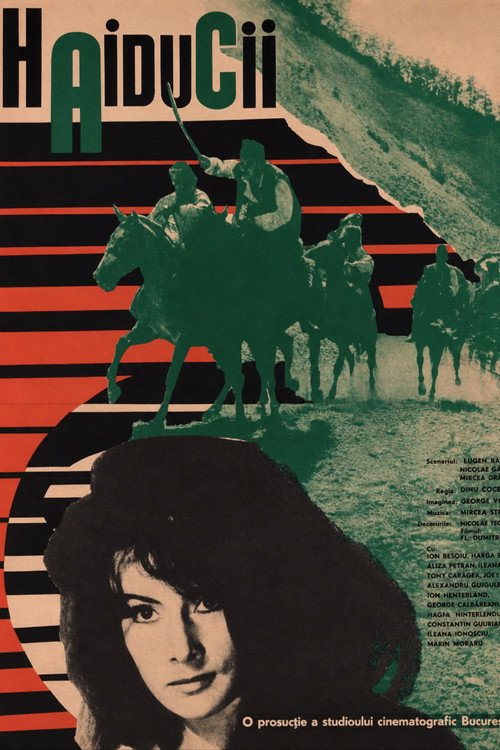
1966
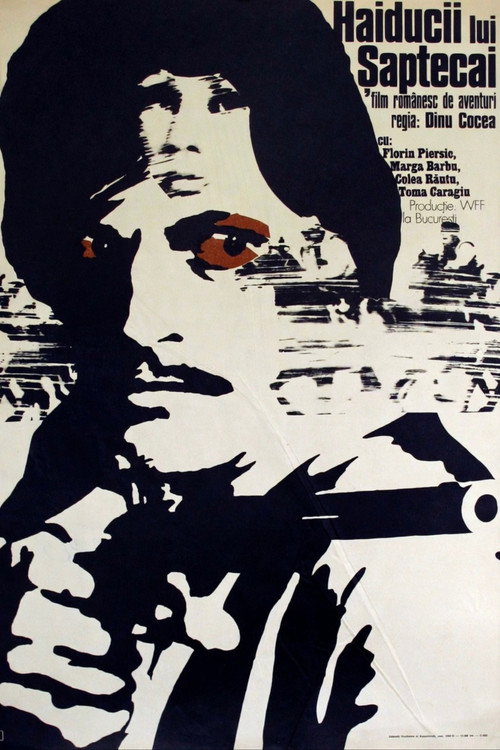
1971
No reviews yet. Be the first to share your thoughts on this movie!
Use the rating form above to leave a star rating and optional review.