Death in Therapy
1996
No user ratings available yet
Diversity score: 2.8 out of 10
1977
Director
Alain Jessua
Runtime
95 minutes
Average Rating
No ratings yetSynopsis
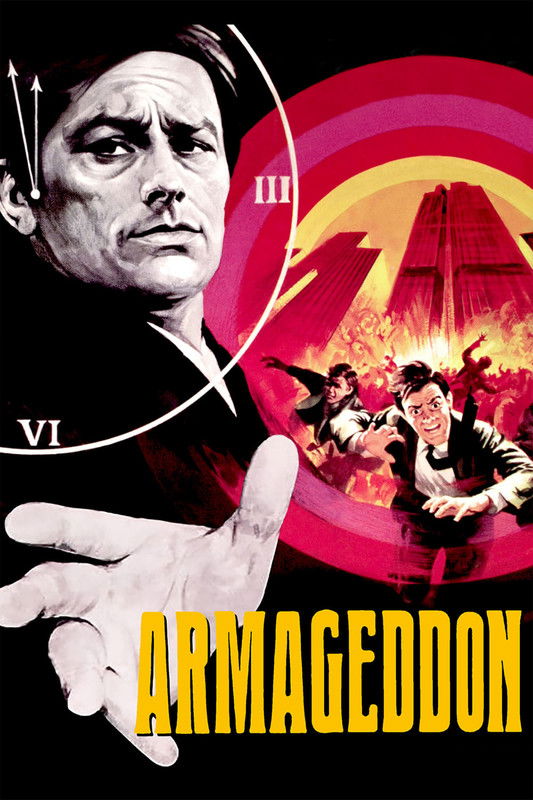
After years of poverty, Carrier, a repairman, inherits a large sum of money upon his brother's death in an accident. Now rich, he decides it is time to make his mark and be known at any cost. Becoming more and more mentally unstable, he begins to threaten police and the government signing his tracts, "Armaguedon". A detective from Interpol heads the investigation and prepares a trap at an international conference of world leaders in Paris.
Overall Score
Limited
Category Breakdown
LGBTQ+ Representation
The film lacks visible LGBTQ+ characters or narratives exploring non-cisnormative identities. Character dynamics focus on traditional interpersonal relationships and professional hierarchies.
Gender Representation
The narrative is heavily weighted toward male-centric professional and conspiratorial roles. Female characters are notably absent from the plot-driving investigative and psychological arcs.
Racial & Ethnic Diversity
The cast presents a relatively homogeneous group typical of 1970s European thriller cinema. There is no evidence of intentional racial blending or non-white casting.
Religious & Cultural Diversity
The film offers a systemic critique of institutional authority and government entities. It portrays established organizations as potentially corrupt or part of a shadowy conspiracy.
Disability Representation
The protagonist's mental instability serves primarily as a plot driver for his radicalization. There is no nuanced exploration of neurodivergence or empowered characters with disabilities.
Strengths
Areas for Improvement
AI Analysis
Alain Jessua's thriller focuses on a man's descent from poverty into radicalized instability against global institutions. While the film provides a sharp critique of systemic power and government opacity, it does so through a very narrow demographic lens. The narrative is dominated by male authority figures and a male protagonist, leaving little room for female agency or diverse gender expressions. This creates a story centered on traditional masculine power structures. Furthermore, the film lacks racial and LGBTQ+ diversity, adhering to the homogeneous casting standards of late-1970s European cinema. It prioritizes political skepticism over intersectional representation.
1996

2009
1982
1992
1972
1974
1992
1974
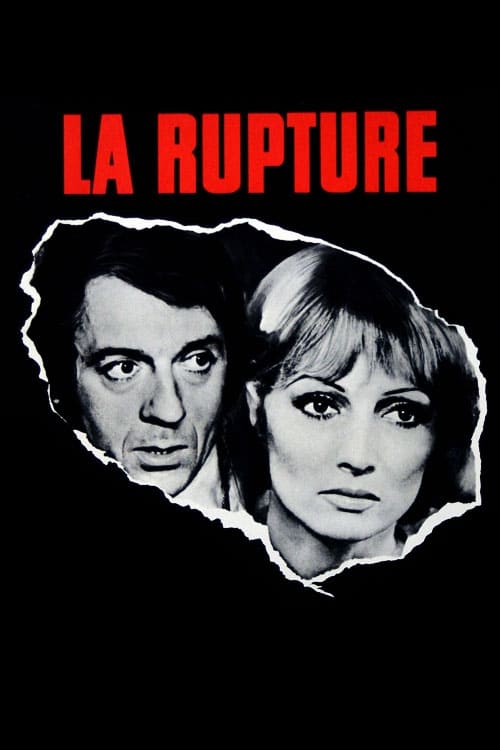
1970

1976

1973
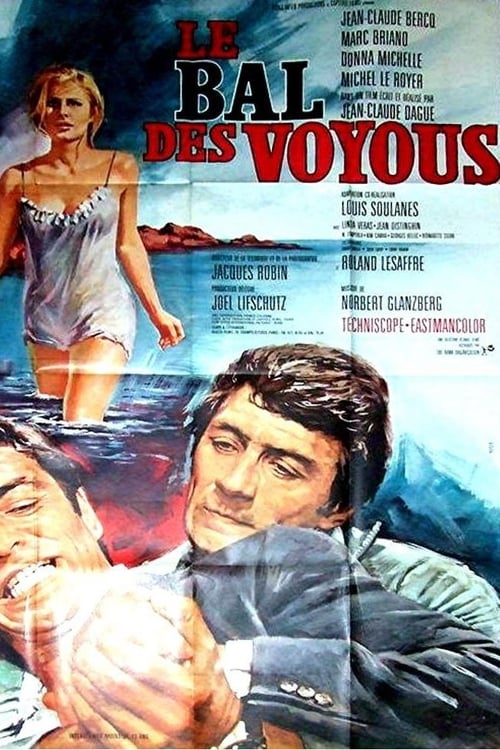
1968
No reviews yet. Be the first to share your thoughts on this movie!
Use the rating form above to leave a star rating and optional review.