Under the Shrapnel
1983
No user ratings available yet
Representation score: 8.1 out of 10
Representation Score
Good
1974
Director
Claude Chabrol
Runtime
132 minutes
Average Rating
No ratings yetNew Showbiz Analysis
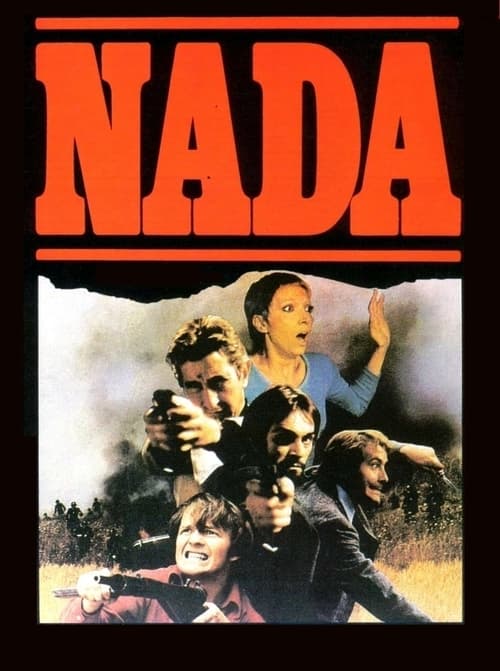
Claude Chabrol’s thriller focuses on the deconstruction of mid-century social stability, emphasizing class-based conflicts and the erosion of bourgeois values. The film’s strength lies in its sophisticated critique of Western institutions and the rejection of traditional authority. However, the narrative remains limited in its demographic scope. It lacks meaningful representation of racial, ethnic, or LGBTQ+ identities, focusing instead on a homogeneous French social landscape. Ultimately, the film prioritizes thematic depth over demographic diversity, offering a nihilistic exploration of social decay.
Category Breakdown
The film does not explicitly depict non-straight identities or same-sex relationships. It explores themes of sexual liberation but through general hedonism rather than specific queer narratives or character empowerment.
The story challenges traditional gender roles by showing a generation that rejects domestic responsibilities. It breaks down gendered expectations by presenting a shared, aimless pursuit of sensation.
The cast is mainly from a homogeneous French upper-class background. There is no significant evidence of racial mixing or a non-white majority to challenge the status quo.
The film effectively critiques Western institutional stability and capitalist structures. It portrays traditional social norms as hollow and decaying, indicative of a corrupt social order.
There is no focus on visible or invisible disabilities. Characters are defined by their socioeconomic status and psychological nihilism rather than by any neurodivergence or physical impairments.
Present on Screen
Limited or Absent
Official Synopsis
Nada, named after a gang of Spanish anarchists, is a small, confused band of French terrorists. They kidnap the American ambassador after one of his regular visits to an exclusive brothel. The gang starts to quarrel amongst themselves as to the diplomat's fate, while the police purge suspects in their attempts to destroy the Nada faction. As the violence escalates on both sides, the States and the terrorists are forced to use one another's methods in an increasingly desperate and relentless conflict.
1983

1975
1970
1972
1974
1974

1994
1967
No reviews yet. Be the first to share your thoughts on this movie!
Use the rating form above to leave a star rating and optional review.