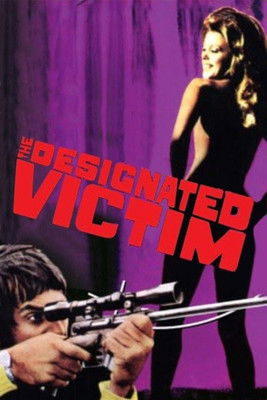
The Designated Victim
1971
No user ratings available yet
Diversity score: 2.2 out of 10
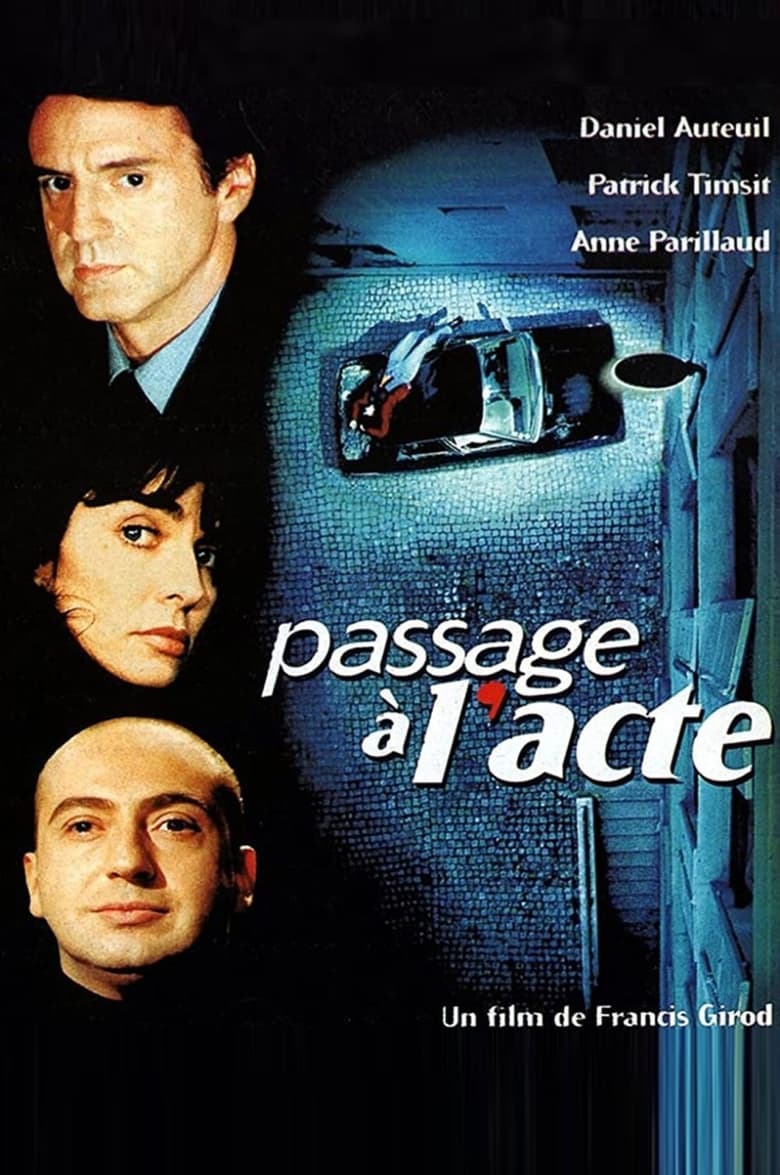
1996
Director
Francis Girod
Runtime
105 minutes
Average Rating
No ratings yetSynopsis
Antoine Rivière, a highly-reputed psychoanalyst, is visited by a new patient, Edouard Berg. When Berg claims to have killed his own wife, the doctor suspects he is a compulsive liar. How could he know that he has been caught in a trap and it's already too late for escape?
Overall Score
Limited
Category Breakdown
LGBTQ+ Representation
The film lacks any evidence of LGBTQ+ characters or non-cisnormative identities. The narrative focuses exclusively on the psychological conflict between two men.
Gender Representation
The story centers on a male-dominated dynamic between a doctor and a patient. While a wife is mentioned as a victim, she serves as a plot catalyst rather than a character with agency.
Racial & Ethnic Diversity
The production follows a conventional Western European casting structure. There is no indication of diverse racial representation or non-white majority casting.
Religious & Cultural Diversity
The film explores moral relativism and the fallibility of truth. However, it functions as a contained psychological study rather than a critique of Western institutions.
Disability Representation
Mental health and psychological instability are used primarily as thriller mechanics. These elements drive suspense rather than offering nuanced portrayals of neurodivergence.
Strengths
Areas for Improvement
AI Analysis
Death in Therapy is a character-driven psychological thriller that prioritizes individual tension over social breadth. The narrative architecture focuses on the power struggle between a psychoanalyst and a patient, leaving little room for diverse demographic exploration. The film operates within a traditional, homogeneous social framework. It relies on established archetypes of professional and social identity rather than challenging systemic hierarchies or presenting intersectional perspectives. Ultimately, the work serves as a study of individual pathology and deception. Its narrow focus on a two-man psychological duel results in low scores across most diversity categories.
1971

2008
1999

1996
2006
1974
1972
1964
1995
1991
1999
1996
No reviews yet. Be the first to share your thoughts on this movie!
Use the rating form above to leave a star rating and optional review.