
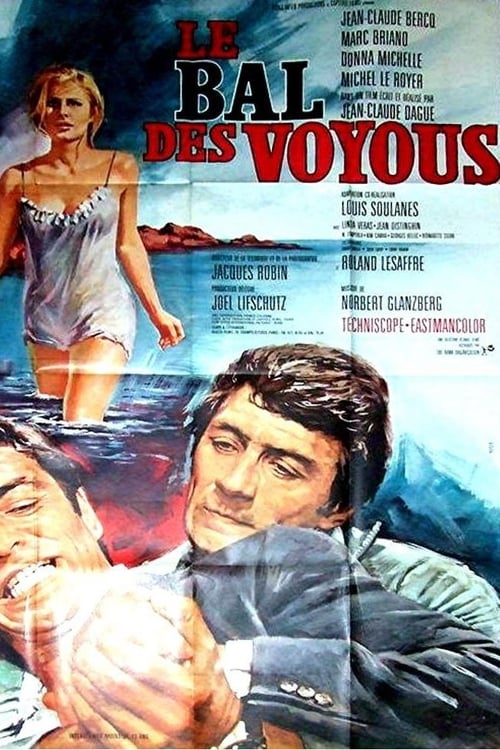
The Swindle
1997
No user ratings available yet
Representation score: 6.1 out of 10
Representation Score
Minimal
1968
RDirector
Jean-Claude Dague, Louis Soulanes
Runtime
86 minutes
Average Rating
No ratings yetNew Showbiz Analysis
Playmates is a conventional 1960s thriller that emphasizes individualist melodrama over social or multi-layered issues. The narrative relies heavily on established genre clichés, such as the femme fatale, to drive its plot of passion and betrayal. The film operates within a homogeneous social landscape, focusing on Western banking and European social hierarchies. It lacks any meaningful engagement with diverse racial, cultural, or LGBTQ+ identities. Ultimately, the film reflects the era's cinematic standards, emphasizing personal greed and romantic deception rather than systemic critique or inclusive representation.
Category Breakdown
The film focuses on a heterosexual relationship between a bank manager and a model. It does not include any representation of LGBTQ+ identities or non-cisgender individuals.
Karine serves as a femme fatale, using her influence to manipulate the male protagonist. The central conflict revolves around the male characters' financial and moral dilemmas.
The story centers on European social structures and Western financial systems. There is no indication of a diverse cast or non-white perspectives.
The narrative adheres to traditional capitalist frameworks and institutional norms. It focuses on individual moral failings within established Western systems rather than offering cultural critique.
The plot contains no mention of characters with physical or invisible disabilities. There are no themes related to neurodivergence or impairment.
Present on Screen
Limited or Absent
Official Synopsis
Henri Verdier, a young bank manager, has made the acquaintance of Karine, a model of great beauty. Robert, who claims to be Karine's brother, forces Karine to introduce him to Verdier. This is to offer him an urgent business deal: 50 million for a uranium purchase which, within a few days, should yield double that amount. Blinded by passion, Verdier accepts and "withdraws" the necessary sum from his bank. He soon realizes he's been duped. Karine is not Robert's sister and Robert is a crook. Verdier tracks them down.
1997
1972

2000

1964

1964

1986
1960
1964
No reviews yet. Be the first to share your thoughts on this movie!
Use the rating form above to leave a star rating and optional review.