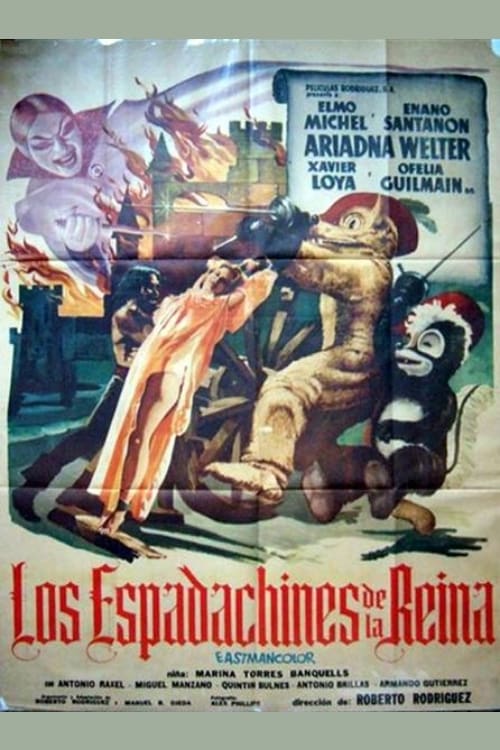
The Happy Musketeers
1961
No user ratings available yet
Diversity score: 2.3 out of 10
1959
GDirector
Roberto Rodríguez
Runtime
87 minutes
Average Rating
No ratings yetSynopsis
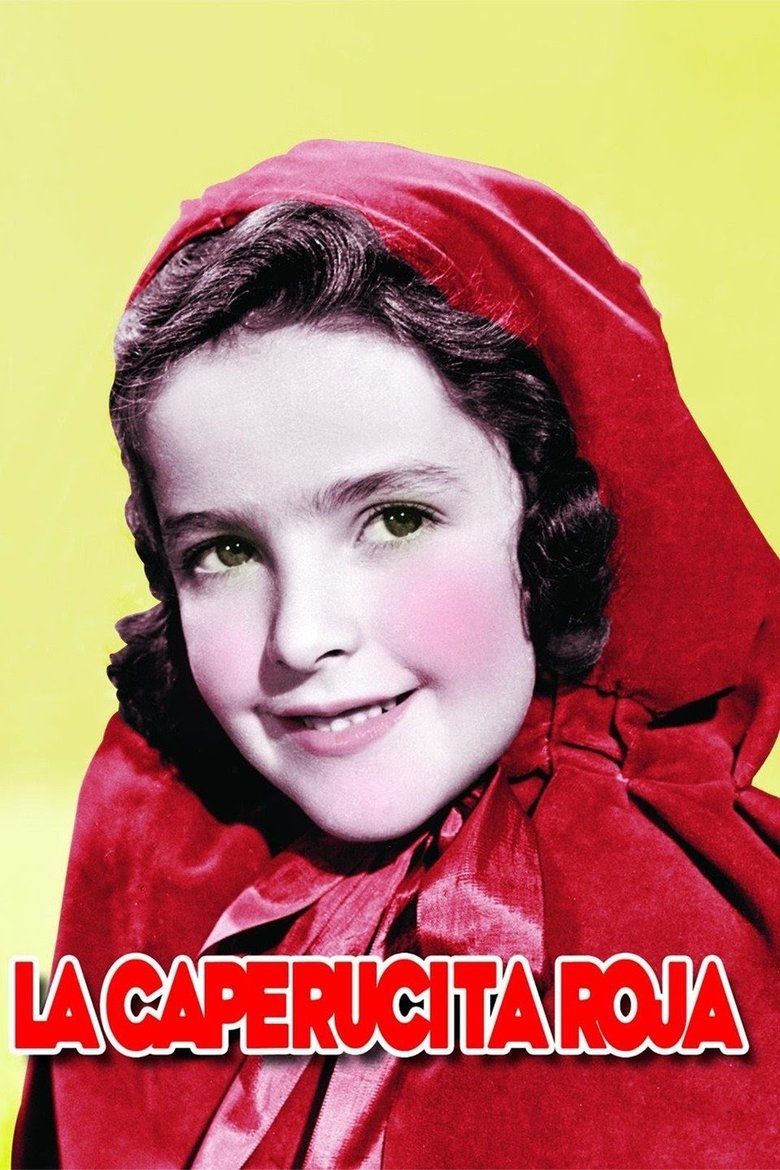
The classic story of the Red Riding Hood spiced up by a couple of funny characters like the dog Duke, companion to the girl in her adventures, and the stinky Skunk, henchman to the Wolf.
Overall Score
Limited
Category Breakdown
LGBTQ+ Representation
The film follows a traditional folk tale structure. There are no depictions of non-heteronormative identities or same-sex intimacy.
Gender Representation
A female protagonist drives the adventure, providing a baseline for female presence. However, the narrative likely adheres to conventional 1950s tropes of innocence and vulnerability.
Racial & Ethnic Diversity
The setting and casting reflect a homogeneous, Western-centric worldview. There is no indication of race-bent casting or efforts to disrupt standard demographic norms.
Religious & Cultural Diversity
The story operates within the framework of traditional Western folklore. It reinforces established social hierarchies and clear distinctions between good and evil.
Disability Representation
There is no documented evidence regarding the inclusion of characters with physical or neurodivergent disabilities. The focus remains on human and animal interactions.
Strengths
Areas for Improvement
AI Analysis
This 1959 adaptation of the classic fairy tale functions as a traditionalist narrative. It adheres strictly to the cultural and social constraints of its era, prioritizing the preservation of folklore over modern inclusive storytelling. The film lacks the intentionality required to disrupt conventional tropes or provide intersectional depth. While it features a female lead, the characterization likely falls within the period's standard archetypes of vulnerability. Ultimately, the production serves as a standard family adventure that reinforces a homogeneous, Western-centric worldview without attempting to diversify its cast or narrative themes.
No reviews yet. Be the first to share your thoughts on this movie!
Use the rating form above to leave a star rating and optional review.