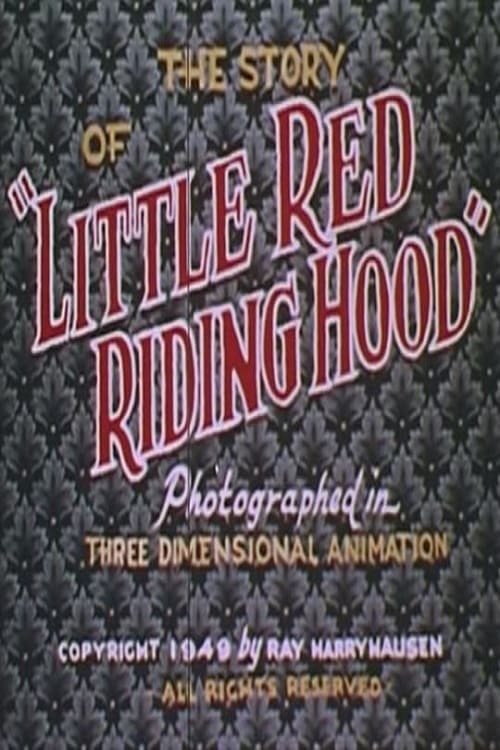
The Story of Little Red Riding Hood
1949
No user ratings available yet
Representation score: 0.4 out of 10
Representation Score
Minimal
1969
TV-GDirector
Rhoda Leyer
Runtime
6 minutes
Average Rating
No ratings yetNew Showbiz Analysis
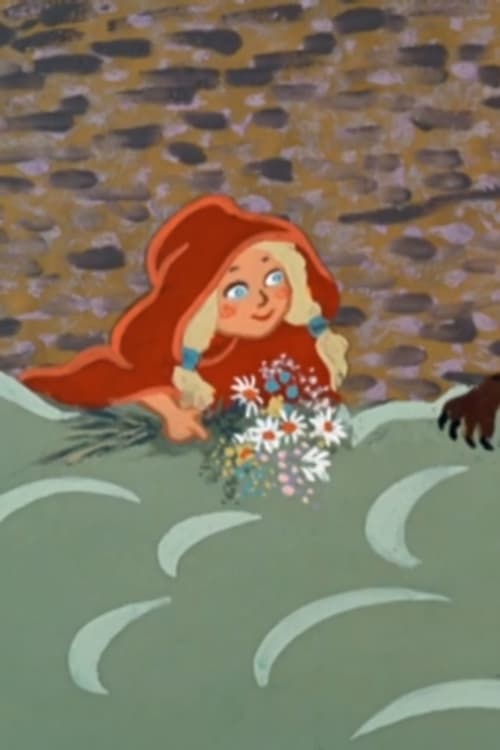
This animated adaptation of the classic fairy tale follows traditional folkloric structures. It prioritizes moral clarity and the restoration of order through the defeat of a singular antagonist. The film provides the comfort of conventional narrative resolutions. The production reinforces established cultural archetypes and a binary moral universe. It does not employ characters that reflect multiple aspects of diversity or challenge existing social hierarchies, instead focusing on preserving classical innocence. Ultimately, the film serves as a traditionalist narrative. It relies on the reassurance that evil is defeated, maintaining a framework common to mid-century children's media.
Category Breakdown
The film centers on three main characters but does not include any non-cisgender identities or narratives that challenge the idea that everyone is straight or cisgender.
The story uses traditional gender roles such as the pretty little girl and the grandmother. It emphasizes standard domestic roles and gendered expectations of innocence and vulnerability.
Specific ethnic backgrounds are not detailed, but the storybook style suggests a Eurocentric perspective. There is no indication of diverse ethnic inclusion or casting actors from different backgrounds.
The film aligns with Western storytelling values and clear moral binaries. It promotes traditional morality and the preservation of social order without challenging systemic issues.
The narrative does not mention any characters with visible or invisible disabilities.
Present on Screen
Limited or Absent
Official Synopsis
All the old delight, innocence and anticipation are still here in this telling of a children's classic. The pretty little girl, her grandmother and the wicked old wolf have stepped from the storybook onto the screen through the magic of animation. It is a film that all children will enjoy--as will adults who like reassurances that evil gets the chop in the end.
1949

1973
1967
1998

1957
1983
1951
1958
No reviews yet. Be the first to share your thoughts on this movie!
Use the rating form above to leave a star rating and optional review.