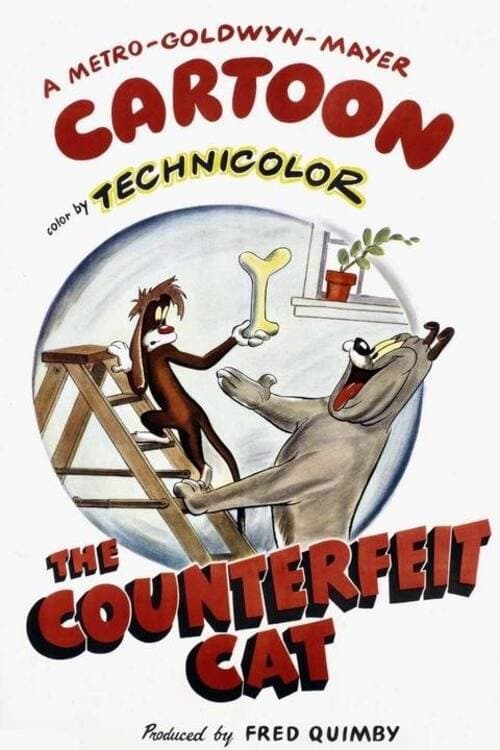
The Counterfeit Cat
1949
No user ratings available yet
Representation score: 0.3 out of 10
Representation Score
Minimal
1922
Director
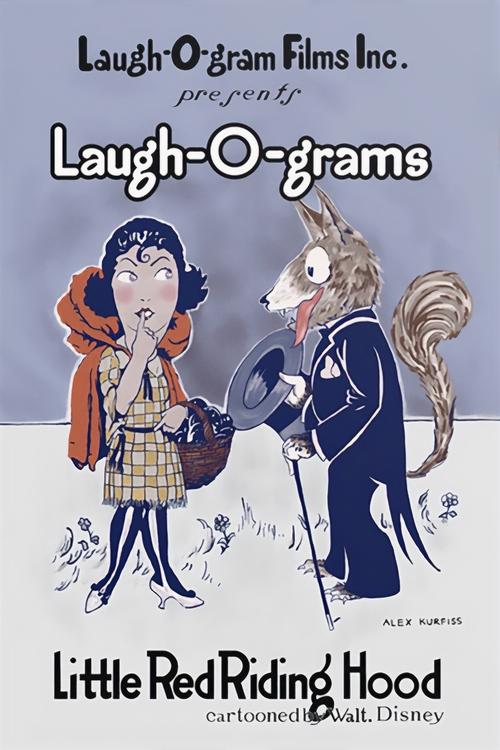
Walt Disney
Runtime
6 minutes
Average Rating
No ratings yetNew Showbiz Analysis
This early Disney short reflects the conventions of its time, relying on slapstick humor and traditional folklore. The narrative structure supports existing social hierarchies without challenging them. Characters are depicted as standard archetypes. The wolf serves as a predatory antagonist, while the female protagonist lacks significant influence, needing external help to resolve the plot. Overall, the film adheres to the conventional, homogeneous standards of early 20th-century animation without disrupting social expectations.
Category Breakdown
The film does not depict any queer identities or provide subtext related to LGBTQ+ themes. The central conflict revolves around a predatory dynamic between the wolf and the female protagonist.
Red is portrayed as a passive character with limited influence. The mother's role is confined to household duties, reinforcing traditional gender roles typical of early folklore adaptations.
The characters have a uniform Western appearance. There is no indication of racial diversity or the use of non-human characters to represent ethnic backgrounds.
The narrative adheres to a standard Western framework, emphasizing domesticity and traditional moral structures. It uses conventional storylines without questioning established cultural norms.
There is no evidence of physical or neurodivergent disabilities being portrayed in this work.
Present on Screen
Limited or Absent
Official Synopsis
Mother is making donuts: She throws up a circle of dough, and a cat shoots a hole in it. Later, he fishes them out of the oil with a fishing line; he eats one, and loses all 9 lives. Mother puts together a basket for Red to take to granny. Red uses her cart, which is pushed by her little dog; the cart gets a flat tire, and she inflates a donut to replace it. A wolf (a human lothario) drives by in a flivver, and dashes off to grandma's house, where he finds a note saying she's gone to the movies. He shrinks his car and stashes it in his pocket, then waits for Red, who stopped to watch a dancing flower. Red arrives, and they go into the house, where he attempts to have his way with her. The dog rushes off and gets help from an airplane pilot, who uses a skyhook to remove the house and, ultimately, lift the wolf in his car and drop him in the lake. Written by Jon Reeves
1949
2005
1959
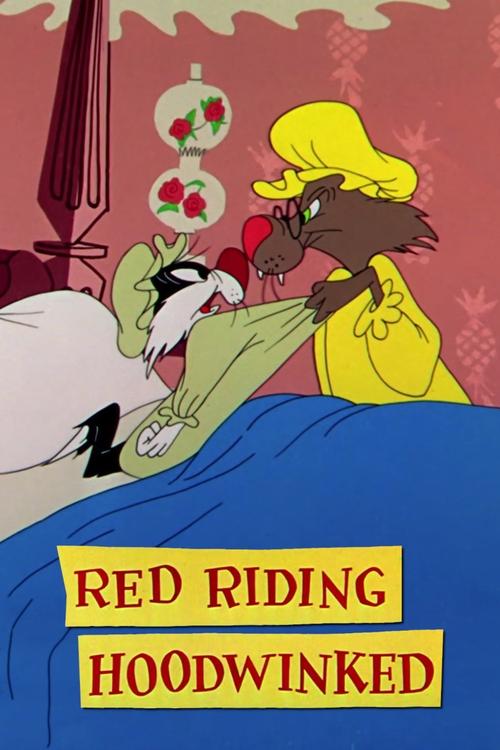
1955
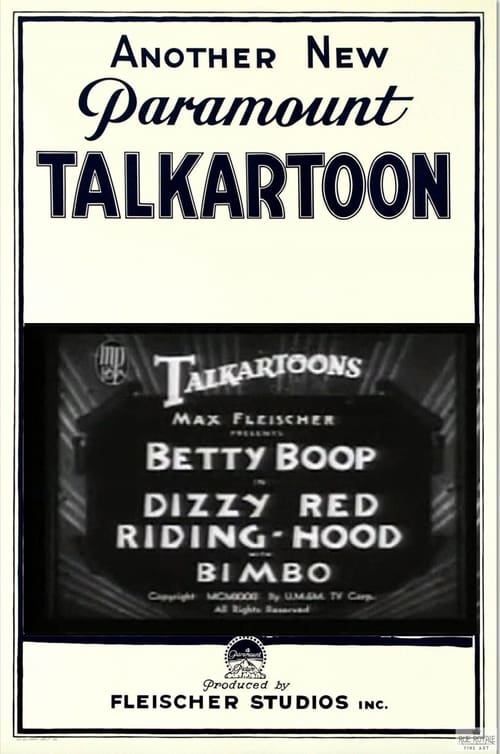
1931
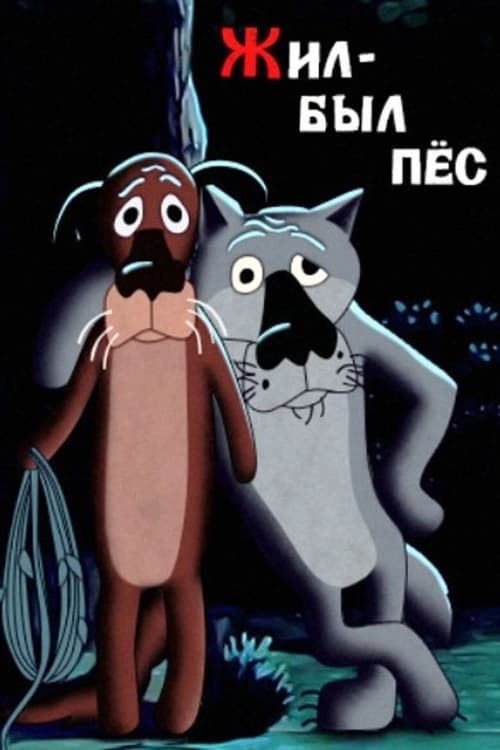
1982

1957
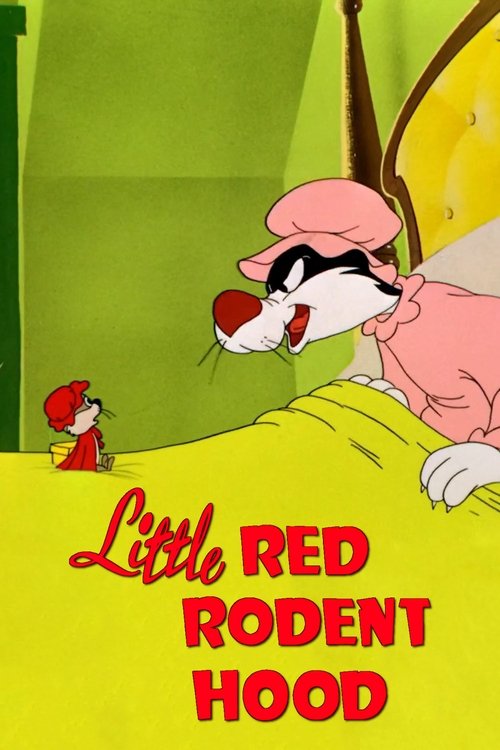
1952
No reviews yet. Be the first to share your thoughts on this movie!
Use the rating form above to leave a star rating and optional review.