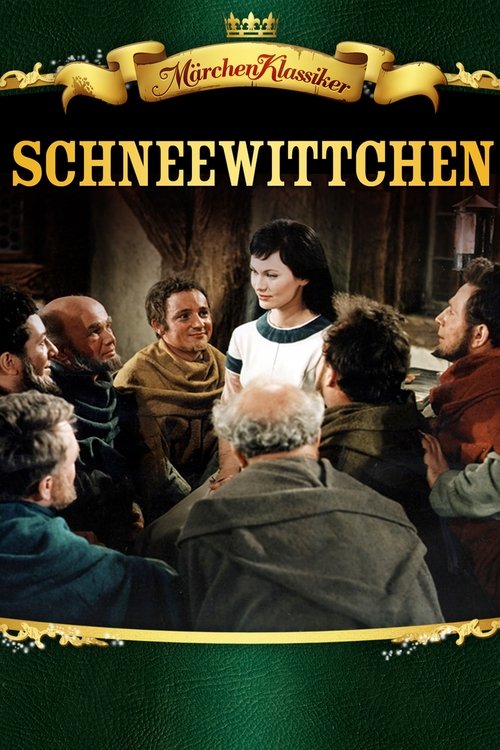
Snow White
1961
No user ratings available yet
Representation score: 3.4 out of 10
Representation Score
Minimal
1962
Director
Götz Friedrich
Runtime
72 minutes
Average Rating
No ratings yetNew Showbiz Analysis
This 1962 adaptation of the classic fairy tale adheres strictly to traditional folkloric structures. It prioritizes established archetypes over modern diversity, resulting in a narrative that feels deeply rooted in its era's social norms. The film features a central female lead, yet her characterization relies on passive clichés, limiting her role in driving the story. Instead, she reacts to the actions of the wolf and fox. Overall, the production reflects a homogeneous and conventional demographic profile. It serves as a moralistic tale that reinforces traditional social structures and Western moral binaries without exploring diverse identities or systemic critiques.
Category Breakdown
The film focuses on traditional family relationships and does not depict any non-straight or non-cisgender identities.
The story centers around a female protagonist who is portrayed as passive and vulnerable. She mostly reacts to external threats rather than taking initiative.
The setting and character dynamics reflect a homogeneous society with no significant diversity.
The narrative follows a traditional Western moral framework, emphasizing good versus evil and reinforcing themes of familial duty and caution.
The film does not include any characters with visible or invisible disabilities.
Present on Screen
Limited or Absent
Official Synopsis
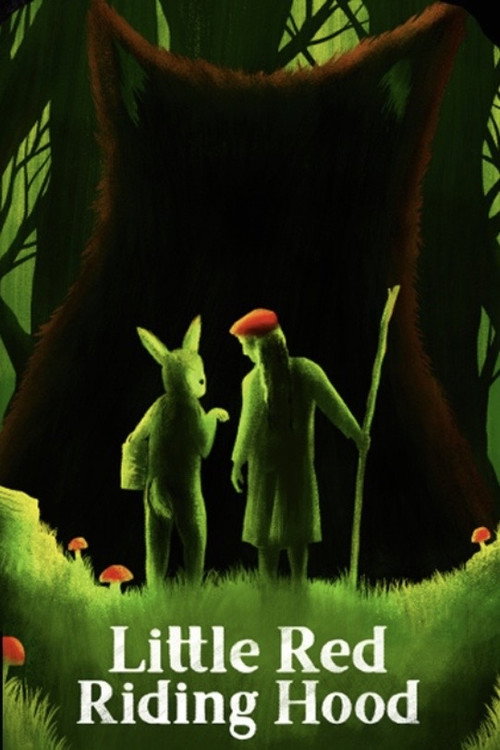
Little Red Riding-Hood lives together with her parents in a house on the edge of the forest. Her friends are a bunny, a squirrel and a bear. The little girl is always prepared to help, friendly, innocent and even unsuspecting, for she does not hold anyone capable of doing anything bad. Little Red Riding-Hood often visits her grandmother who lives in the depths of the forest. But her way there is a dangerous one: the wolf and its lackey, the fox, terrorize everyone with their evil deeds. One day, Little Red Riding-Hood is caught in their net.
1961
1984
1959
1993

1979

2014
1967
1977
No reviews yet. Be the first to share your thoughts on this movie!
Use the rating form above to leave a star rating and optional review.