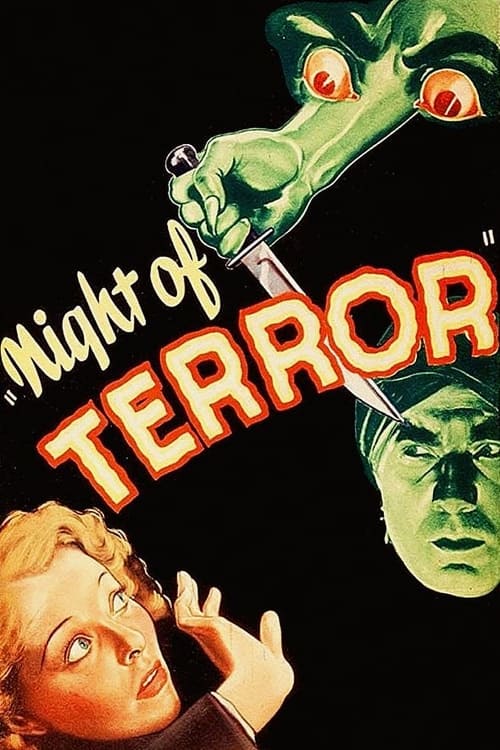
Night of Terror
1933
No user ratings available yet
Representation score: 1.4 out of 10
Representation Score
Limited
1934
ApprovedDirector
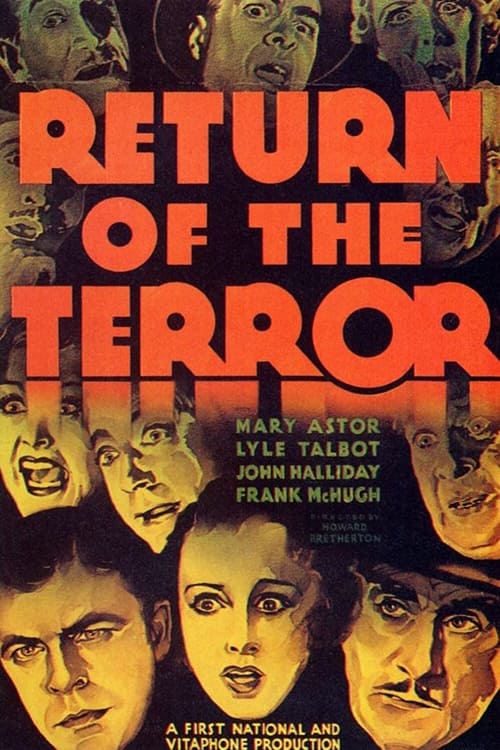
Howard Bretherton
Runtime
65 minutes
Average Rating
No ratings yetNew Showbiz Analysis
Return of the Terror is a standard 1930s mystery-horror film that operates within the restrictive social and cinematic norms of its era. The narrative focuses on an unidentified killer occupying an English inn, a premise that typically relies on conventional formulas. The film lacks intentionality regarding social disruption. It functions as a traditionalist product, reinforcing established cultural norms rather than exploring complex identities or diverse perspectives. Ultimately, the work reflects the era's reliance on traditional moral frameworks and homogeneous casting, offering little in the way of progressive representation.
Category Breakdown
Given the strict social censorship of 1934, it is unlikely that the film depicts non-straight relationships. The narrative probably adheres to the assumption that everyone is straight or cisgender.
Women are likely portrayed as domestic figures or victims within the inn setting. The film does not show any evidence of challenging traditional gender roles.
The English country house setting historically favors a homogeneous Anglo-Saxon cast. There is no evidence of diverse character's ability to drive the story or color-blind casting.
The story likely reinforces traditional Western social hierarchies and conventional morality. It functions as a standard genre piece rather than challenging systemic institutions.
Physical or mental impairments may be used as shorthand for villainy. There is no evidence of neurodivergent or physical disability representation with real power.
Present on Screen
Limited or Absent
Official Synopsis
"The Terror", a killer whose identity is unknown, occupies an English country house that has been converted into an inn.
1933
1934
1952
1971
1933

1933
1934
1939
No reviews yet. Be the first to share your thoughts on this movie!
Use the rating form above to leave a star rating and optional review.