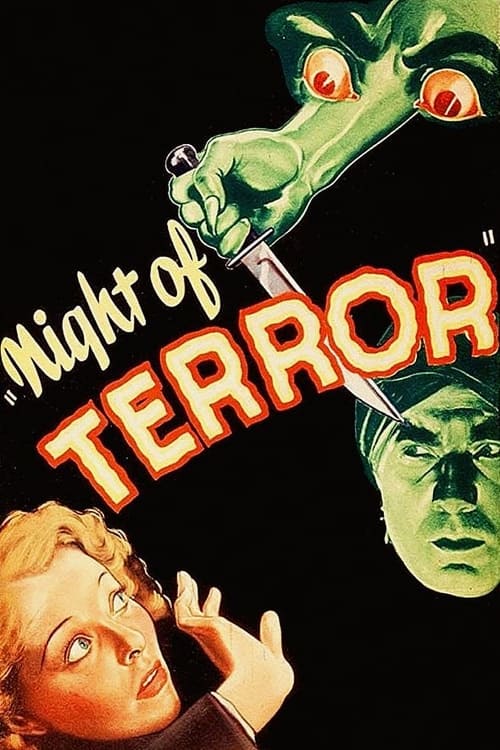
Night of Terror
1933
No user ratings available yet
Diversity score: 2.4 out of 10

1934
ApprovedDirector
Frank R. Strayer
Runtime
69 minutes
Average Rating
No ratings yetSynopsis
A ghostly and deadly dinner party, which at first turns out to be an elaborate staging of a new play for the benefit of a Broadway producer, becomes a true mystery when the players start to go missing.
Overall Score
Limited
Category Breakdown
LGBTQ+ Representation
The film shows no evidence of non-cisnormative identities or same-sex intimacy. It adheres to the heteronormative social structures common in early Hollywood.
Gender Representation
The ensemble likely follows traditional 1930s gender roles. Women appear positioned as either socialites or distressed figures within the mystery framework.
Racial & Ethnic Diversity
The cast likely centers on Anglo-Saxon archetypes typical of Broadway-themed mysteries. There is no indication of significant non-white agency or diverse casting.
Religious & Cultural Diversity
The narrative is rooted in Western capitalist entertainment structures. It functions within the established social and moral frameworks of the 1930s.
Disability Representation
There is no mention of characters with visible or invisible disabilities. No such elements are integrated into the provided narrative.
Strengths
Areas for Improvement
AI Analysis
The Ghost Walks is a conventional genre piece that reinforces the social and cultural hierarchies of the 1930s. It operates within the traditionalist constraints of its era rather than challenging them. The film lacks intersectional complexity, focusing instead on a standard mystery structure. The narrative architecture suggests a homogeneous cast and a reliance on established social norms. Ultimately, the production reflects the standard studio system frameworks of the early sound era, prioritizing traditional hierarchies over progressive representation.
1933
1952
1934
1965
2005
1941

1939
1967
1935
1954
2013
1932
No reviews yet. Be the first to share your thoughts on this movie!
Use the rating form above to leave a star rating and optional review.