She-Wolf of London
1946
No user ratings available yet
Representation score: 1.6 out of 10
Representation Score
Minimal
1964
Director
Rafael Baledón
Runtime
85 minutes
Average Rating
No ratings yetNew Showbiz Analysis
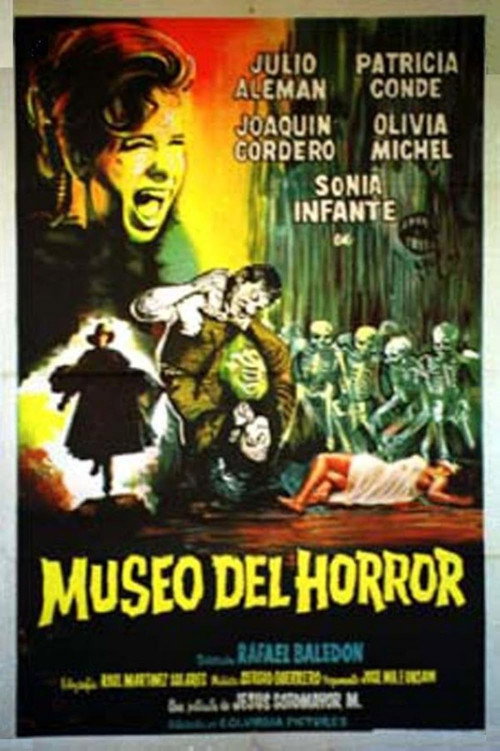
Museum of Horror is a product of its time, functioning as a traditional genre piece that adheres to the social and cinematic norms of 1964. It relies heavily on established clichés, particularly those related to gendered vulnerability and victimization. The film lacks the intentionality needed to disrupt social hierarchies or provide meaningful representation of diverse identities. Instead, it follows a conventional narrative structure common to mid-century mystery-horror productions. Ultimately, the work serves as a standard example of its era's cinematic conventions, offering little in the way of subversive or diverse perspectives.
Category Breakdown
The film does not depict any non-binary or LGBTQ+ identities. It focuses on the abduction of women, following traditional horror genre clichés.
Female characters are portrayed as passive victims of a predatory force. This reinforces the 'damsel in distress' cliché, which upholds traditional gender roles rather than challenging them.
The film adheres to the typical demographic standards of 1960s horror, with no indication of racially diverse casting or ethnic representation.
The film's themes align with traditional morality and genre-specific clichés of the era. It does not critique Western institutions or offer secular perspectives.
The film does not include any characters with visible or invisible disabilities. It also does not explore neurodivergence or disability as a narrative device.
Present on Screen
Limited or Absent
Official Synopsis
A mysterious killer abducts girls off the street and covers them in wax. Graverobbers and poison darts also feature as our heroine discovers which of the men in her life is the psycho.
1946

1933
1973

1964
1967
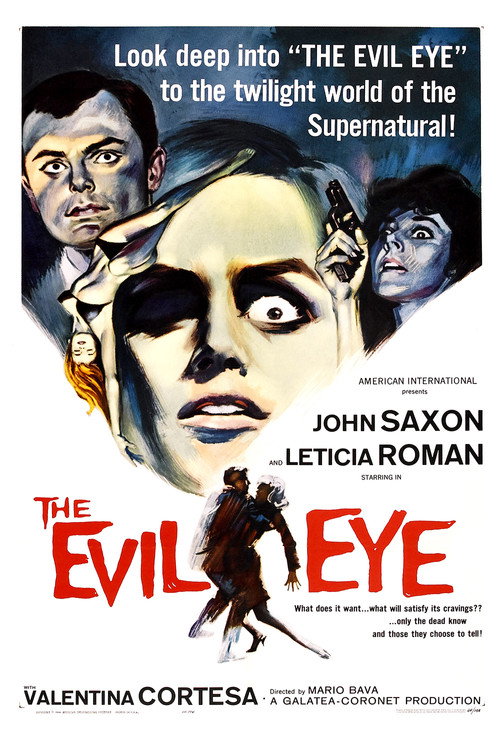
1963
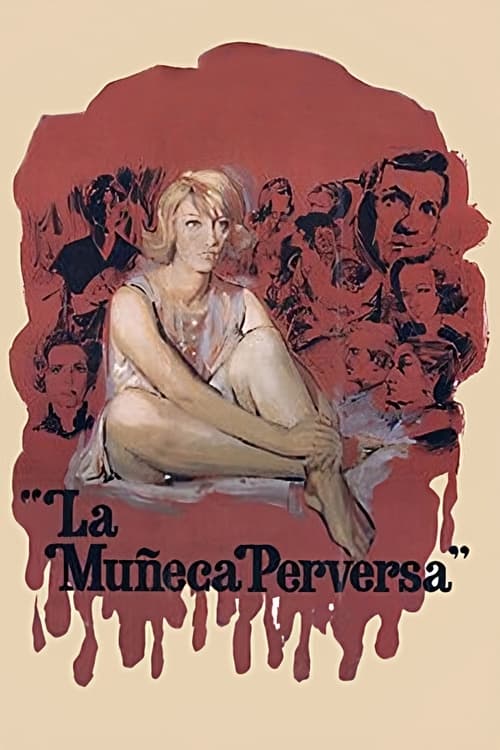
1969
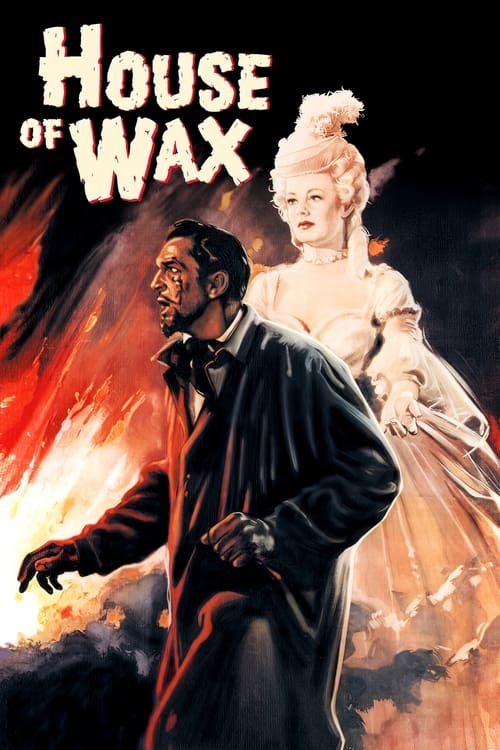
1953
No reviews yet. Be the first to share your thoughts on this movie!
Use the rating form above to leave a star rating and optional review.