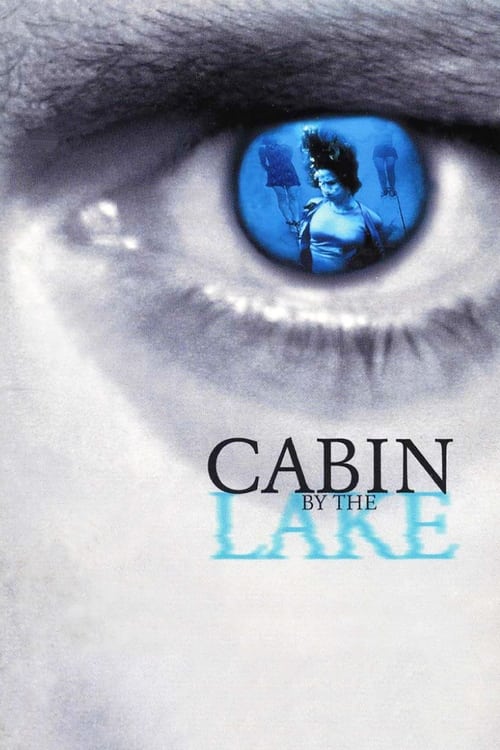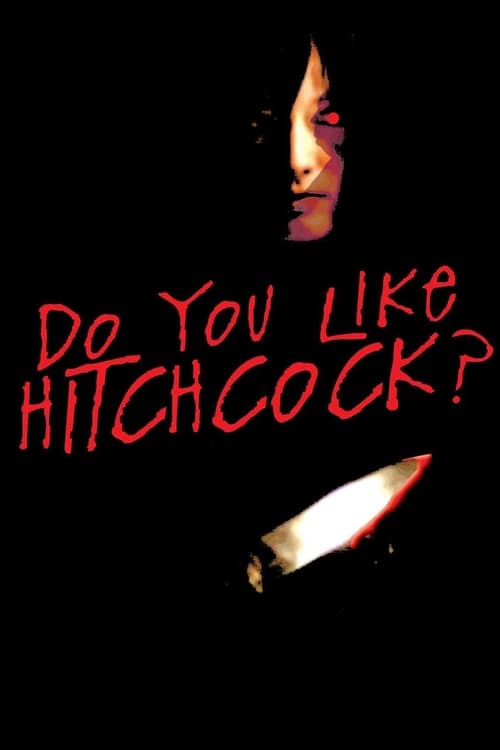
Do You Like Hitchcock?
2005
No user ratings available yet
Diversity score: 3.6 out of 10
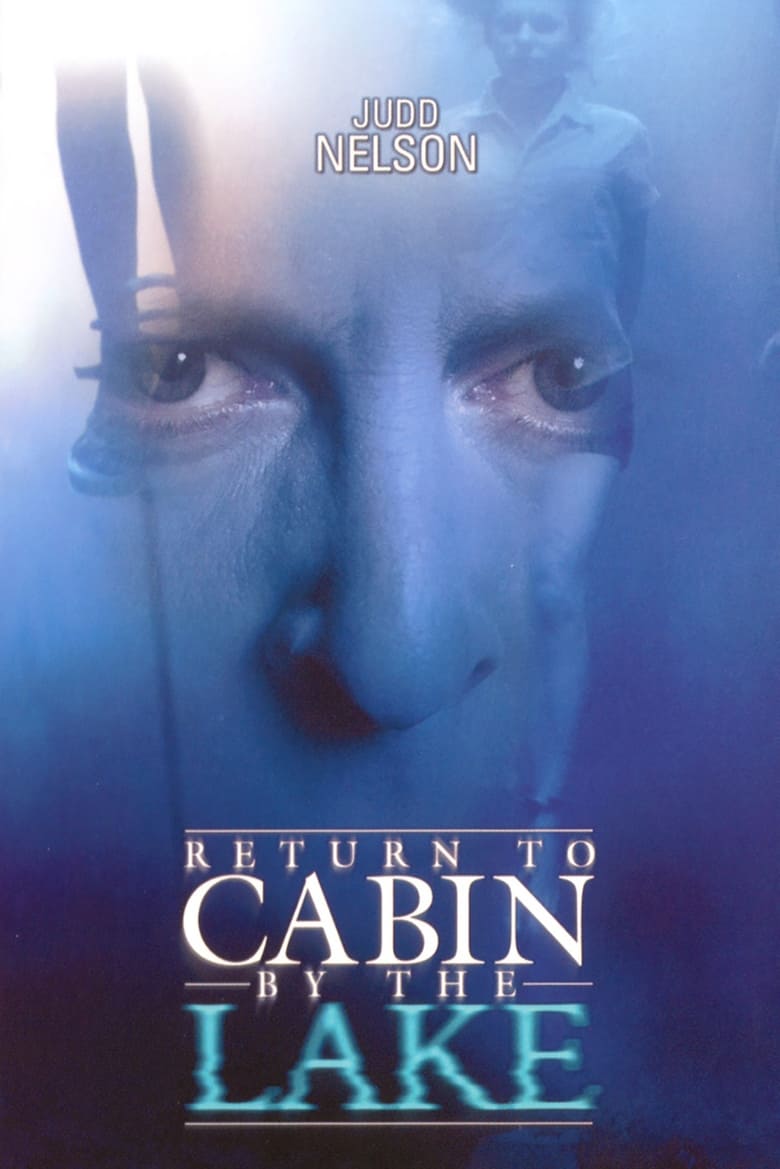
2001
RDirector
Leong Po-Chih
Runtime
89 minutes
Average Rating
No ratings yetSynopsis
Murderous screenwriter Stanley Caldwell, who incidentally is thought to be dead, returns to the scenes of his crimes.
Overall Score
Limited
Category Breakdown
LGBTQ+ Representation
The film offers no evidence of LGBTQ+ characters or non-cisnormative identities. The plot focuses on a traditional crime thriller dynamic without queer subtext.
Gender Representation
The sequel reportedly moves away from the misogyny found in the original film. However, the central conflict still relies on a male protagonist driving the lethal agency.
Racial & Ethnic Diversity
Casting includes actors like Kandyse McClure, suggesting some racial inclusion. However, the narrative lacks a non-white majority cast or intentional intersectional focus.
Religious & Cultural Diversity
The story explores the ethics of creating art from real-life trauma. While it examines moral ambiguity, it lacks explicit institutional or anti-Western critiques.
Disability Representation
There is no evidence of characters navigating physical, neurodivergent, or mental health disabilities as a central part of their identity or agency.
Strengths
Areas for Improvement
AI Analysis
Return to Cabin by the Lake is a genre-driven sequel that prioritizes thriller and camp elements over social representation. It functions primarily as a psychological crime story rather than a vehicle for intersectional narratives. The film's most progressive movement is its reported departure from the misogynistic themes of its predecessor. This suggests an evolution in how the sequel handles gendered power dynamics, even if the male lead remains the primary driver of the plot. Ultimately, the work lacks the intentionality needed for high diversity scores. It does not feature systemic critiques or centralize diverse identities within its core narrative architecture.
No reviews yet. Be the first to share your thoughts on this movie!
Use the rating form above to leave a star rating and optional review.