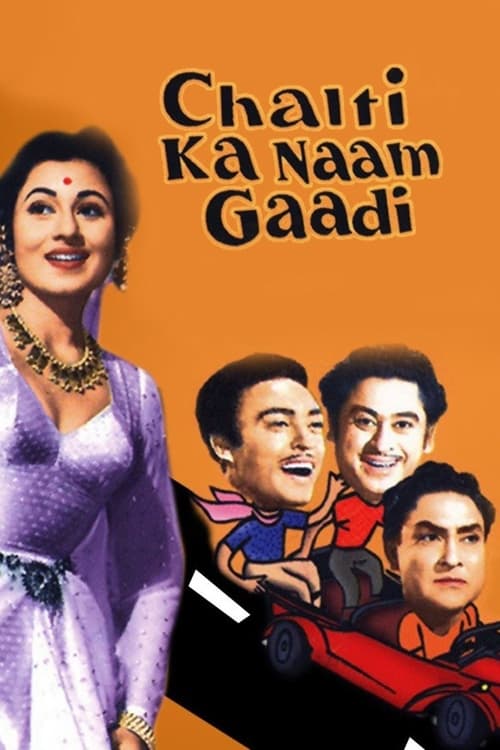
Chalti Ka Naam Gaadi
1958
No user ratings available yet
Representation score: 1.4 out of 10
Representation Score
Minimal
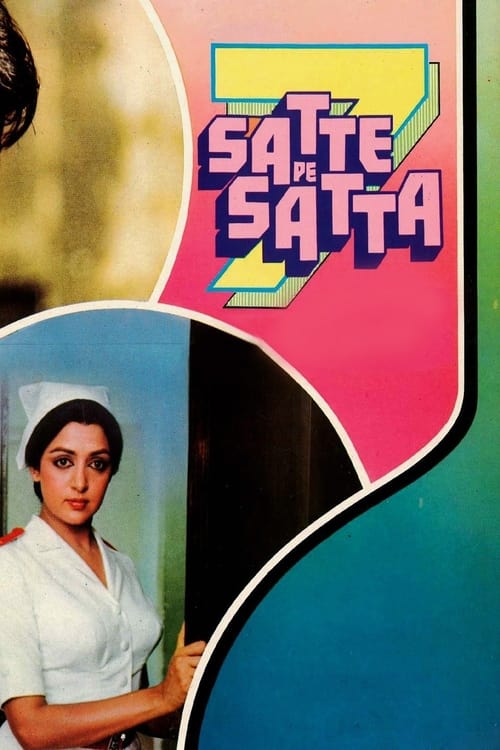
1982
Director
Raj N. Sippy
Runtime
166 minutes
Average Rating
No ratings yetNew Showbiz Analysis
Satte Pe Satta exemplifies traditional storytelling focused on restoring social and familial order. It emphasizes the importance of social harmony and the preservation of the traditional family unit over exploring diverse identities or challenging established norms. The film's narrative transitions from personal chaos to collective domestic stability, adhering to the cultural archetypes of 1980s commercial Indian cinema. It prioritizes mass-market appeal and traditional structures over modern social critiques.
Category Breakdown
The film sticks to traditional romantic and family relationships without showing any non-traditional gender identities or same-sex relationships.
The story centers around a female character who upholds traditional family values, reinforcing the idea of women as moral guides within a patriarchal structure.
The cast is uniform and reflects the specific cultural context of the production, presenting a consistent view of Indian family life typical of the time.
The story highlights the importance of the home and family traditions, promoting a single set of moral values and the adherence to community norms.
The film does not depict any visible or invisible disabilities. Characters' unruly behavior is described as a behavioral issue rather than a physical or neurological condition.
Present on Screen
Limited or Absent
Official Synopsis
After the passing away of their parents, Ravi Anand, the eldest of seven brothers, takes it upon himself to raise them - albeit a little wild and kinda animal-like. The brothers all sport long beards, hate taking showers/baths, and above all hate Ravi bossing them around. rest of the story is about how a look a like Ravi comes in to there life
1958

1976
2007
1985

2002

1987
1977
1972
No reviews yet. Be the first to share your thoughts on this movie!
Use the rating form above to leave a star rating and optional review.