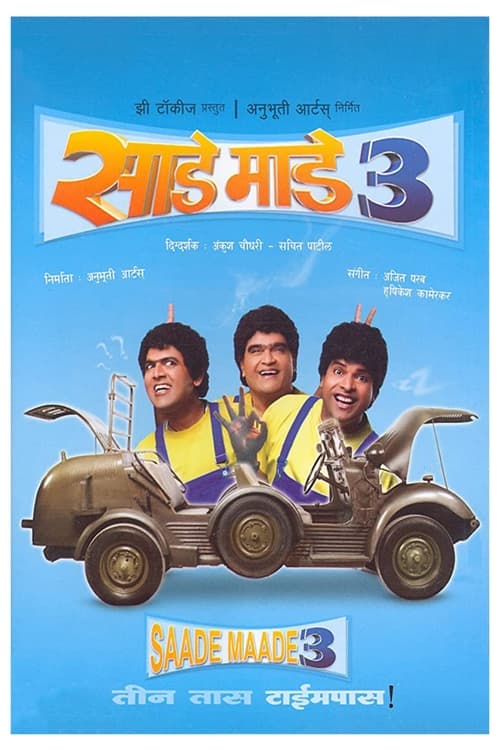
Saade Maade Teen
2007
No user ratings available yet
Representation score: 2.0 out of 10
Representation Score
Minimal
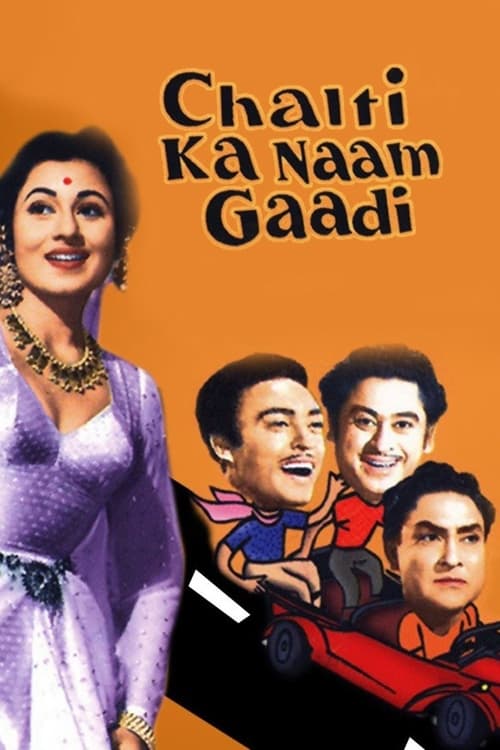
1958
Director
Satyen Bose
Runtime
173 minutes
Average Rating
No ratings yetNew Showbiz Analysis
Chalti Ka Naam Gaadi operates as a mid-century musical comedy that reinforces traditional social hierarchies. While it uses farcical humor to undermine the 'serious' authority of its male protagonists, it does not offer a systemic critique of patriarchy. The film’s structure centers on patriarchal brotherhood and the pursuit of romantic stability. It reflects the socio-cultural norms of 1950s India, prioritizing the sanctity of the family unit and domestic values. Ultimately, the work serves as a reflection of its era's social constraints. It aims to provide comedic entertainment rather than challenging established power dynamics or institutional norms.
Category Breakdown
The film strictly follows the assumption that everyone is straight or cisgender. There is no engagement with queer identities, and the central conflict and resolution revolve around heterosexual romantic pursuits.
Male protagonists drive the plot, but their masculinity is challenged through slapstick and incompetence. Female characters mainly act as catalysts for male romantic arcs and have limited control over their own lives.
The film features a predominantly North Indian cast, accurately reflecting its specific cultural setting. However, it lacks ethnic diversity or multi-layered blending.
The narrative emphasizes traditional values, such as family sanctity and economic stability. It highlights social cohesion and conventional romantic outcomes over systemic rebellion.
There is no representation of physical, sensory, or neurodivergent disabilities. All characters are shown as able-bodied.
Present on Screen
Limited or Absent
Official Synopsis
Three woman-hating brothers face changes in their respective lifestyles when two of them fall in love.
2007
1965

1962
2005
1998
1963
1988
1982
No reviews yet. Be the first to share your thoughts on this movie!
Use the rating form above to leave a star rating and optional review.