You are here:
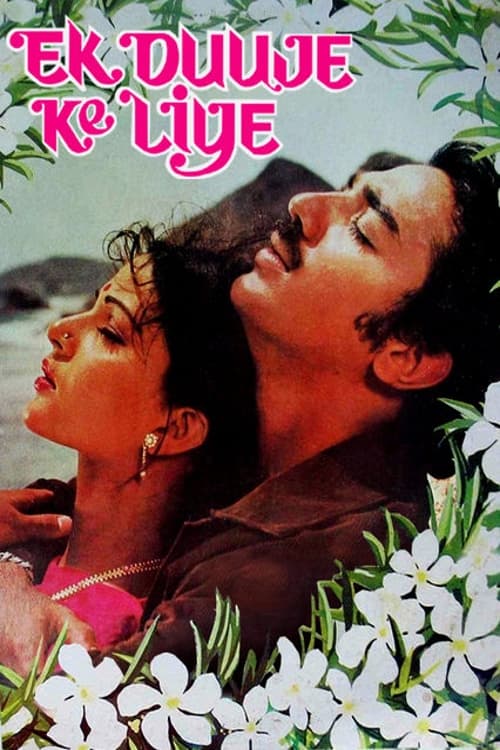
Ek Duuje Ke Liye

Ek Duuje Ke Liye

1981

Not Rated

Director

K. Balachander

Runtime

163 minutes

Average Rating

No ratings yet

Synopsis

A love story between a Tamil man a North Indian woman, who are neighbours in Goa. They come from totally different backgrounds and can hardly speak the other's language. Their parents despise each other and they have regular skirmishes. When they admit their love, there is chaos in their homes, and their parents reject the idea.

Where to Watch

Diversity & Representation

Overall Score

5.9/10

Fair


Category Breakdown

LGBTQ+ Representation

Minimal

The film follows a strictly heteronormative romantic structure. It lacks any depiction of non-cisnormative gender identities or same-sex intimacy.

Gender Representation

Good

The female lead possesses significant emotional agency and resilience. She acts as a primary force against patriarchal structures rather than a passive object of desire.

Racial & Ethnic Diversity

Good

The story explores intra-national ethnic diversity through the romance of a Tamil man and a North Indian woman. It uses linguistic barriers to critique regional provincialism.

Religious & Cultural Diversity

Good

The narrative critiques traditional family units as sources of oppression. It portrays parental adherence to regional prejudices as a force that stifles individual autonomy.

Disability Representation

Minimal

There is no representation of physical, sensory, or neurodivergent disabilities within the main story arc.

Strengths

  • Sophisticated exploration of intra-national ethnic and linguistic diversity.
  • Subversion of traditional gender hierarchies through female emotional agency.
  • Effective critique of regionalism and linguistic provincialism.

Areas for Improvement

  • Complete absence of LGBTQ+ representation or non-cisnormative identities.
  • Lack of representation for physical, sensory, or neurodivergent disabilities.

AI Analysis

Ek Duuje Ke Liye is a character-driven study of linguistic and regional identity politics. It uses a romantic melodrama to challenge the hegemony of singular regional identities within a multi-ethnic society. The film succeeds by deconstructing traditionalist social structures and highlighting the agency of individuals fighting systemic cultural prejudices. It moves beyond simple romance to critique the friction between cultural chauvinism and personal autonomy. However, the film remains limited by its lack of representation for LGBTQ+ identities and individuals with disabilities, adhering to a traditional romantic framework in those areas.

How are these scores produced? →

Rate this Movie

No rating selected
Use arrow keys to select a rating from 1 to 5 stars
Optional text review, maximum 2000 characters
Tip: Wrap spoilers with ||double pipes|| to hide them
0/2000 characters
You must be signed in to submit a rating

Reviews

No reviews yet. Be the first to share your thoughts on this movie!

Use the rating form above to leave a star rating and optional review.