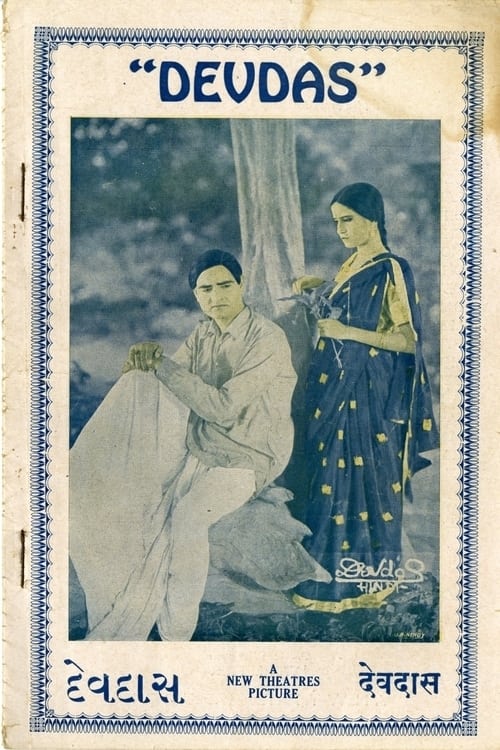
Devdas
1936
No user ratings available yet
Representation score: 2.5 out of 10

Representation Score
Limited
2002
Not RatedDirector
Sanjay Leela Bhansali
Runtime
185 minutes
Average Rating
No ratings yetNew Showbiz Analysis
Devdas is a period drama that prioritizes historical immersion and social critique over modern demographic diversity. While it lacks LGBTQ+ or multi-ethnic representation, it successfully deconstructs the institutions it portrays. The film's strength lies in its critique of oppressive patriarchal and class-based social structures. It also challenges traditional masculinity by depicting the male lead as a tragically flawed character. However, the film remains limited by its adherence to traditional gender roles and its use of addiction primarily as a narrative device for the protagonist's downfall.
Category Breakdown
The film follows a strictly heterosexual storyline centered around a tragic romance. There are no representations of same-sex relationships or non-binary gender identities.
Paro embodies traditional feminine roles focused on domestic duties and family honor. In contrast, Devdas challenges typical masculine ideals by portraying the male lead as a self-destructive and incompetent figure.
Set in early 20th-century Bengal, the story centers on a homogeneous high-caste Hindu society. It lacks diverse racial and ethnic representation.
The film critiques patriarchal authority and the oppressive nature of the landed gentry. It portrays rigid social hierarchies as forces that undermine individual autonomy.
Chronic addiction is shown through the protagonist's physical and mental deterioration. These elements support the tragic plot rather than providing nuanced representation of illness.
Present on Screen
Limited or Absent
Official Synopsis
In 1900s India, Calcuttan zamindar Devdas Mukherjee — unable to marry his lover — takes up alcohol and the company of a courtesan to alleviate the pain.
1936

1964

2013

2010
1996

1996

2012
1999
No reviews yet. Be the first to share your thoughts on this movie!
Use the rating form above to leave a star rating and optional review.