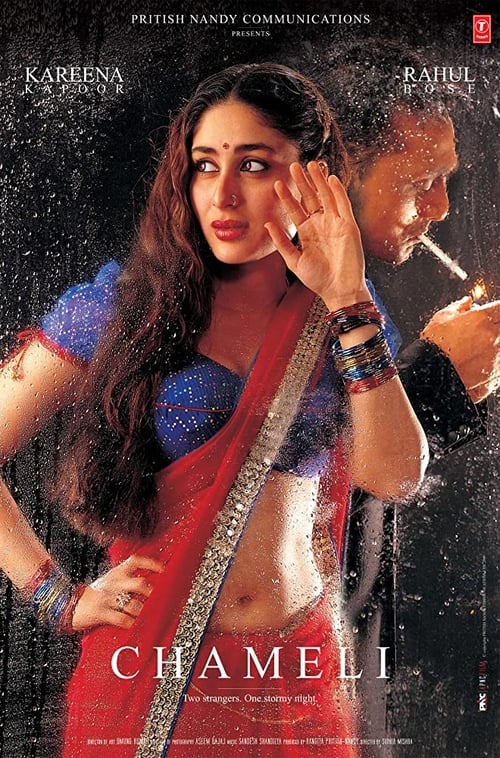
Chameli
2003
No user ratings available yet
Diversity score: 6.1 out of 10
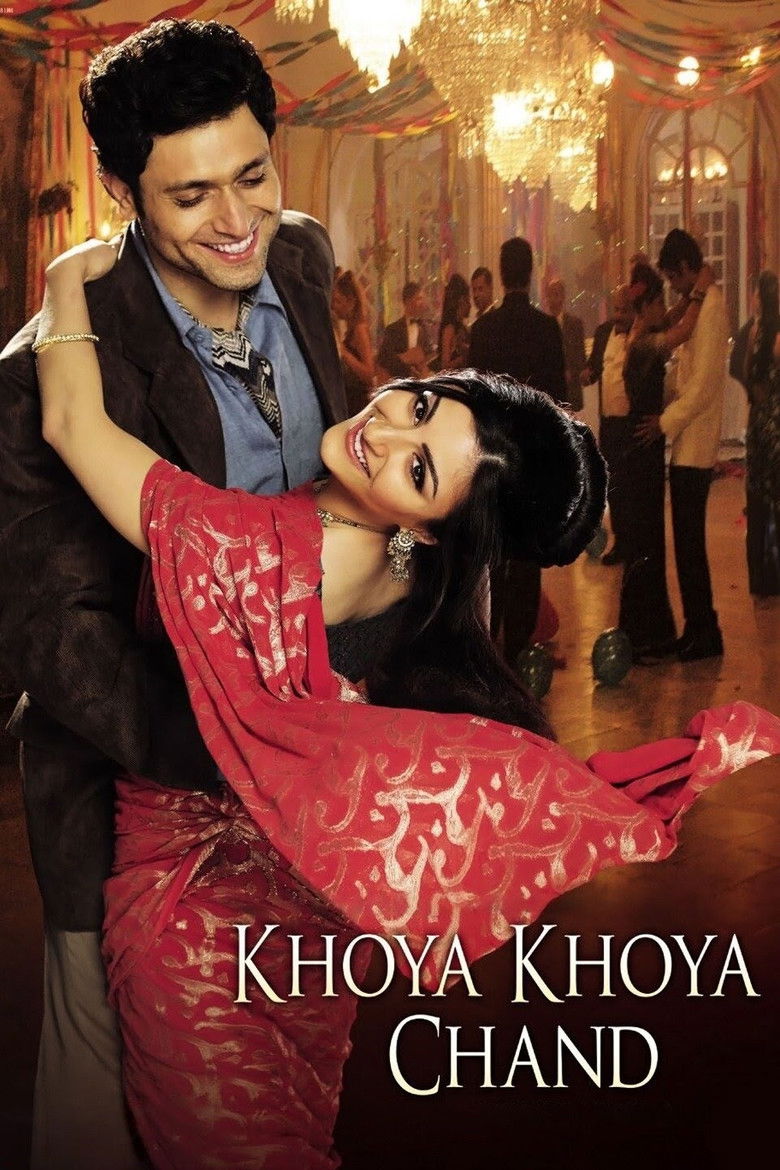
2007
Director
Sudhir Mishra
Average Rating
No ratings yetSynopsis
Circa 1960s Lucknow-based author Zafar Ali Naqvi, who has issues with his father and his four wives, including the 4th one who lusts after him, re-locates to Bombay, starts writing for movies, and falls in love with starlet Nikhat Sheikh. Both decide to get married but cancel the plans at the last minute after she finds out that her mother and her live-in boyfriend...
Overall Score
Good
Category Breakdown
LGBTQ+ Representation
The film focuses on heteronormative romantic entanglements and infidelity. There is no explicit evidence of same-sex intimacy or non-cisnormative identities. However, it avoids the derogatory tropes common in mainstream commercial cinema.
Gender Representation
Female characters demonstrate agency by navigating their own desires and complicating expectations of fidelity. The narrative subverts the trope of the submissive female lead by allowing women to make autonomous, complex choices.
Racial & Ethnic Diversity
The story provides an authentic portrayal of the South Asian urban experience within Mumbai. While it remains largely ethnically homogeneous, it depicts a spectrum of social and emotional realities.
Religious & Cultural Diversity
The film challenges traditional morality by framing infidelity through a lens of situational ethics. It deconstructs the 'happily ever after' trope to prioritize individual emotional truth over institutional stability.
Disability Representation
There is no significant focus on visible or invisible disabilities. No specific instances of disability-related agency or marginalization are present in the narrative.
Strengths
Areas for Improvement
AI Analysis
Sudhir Mishra’s direction brings a sophisticated deconstruction of traditional romantic and social norms to the screen. The film succeeds by rejecting rigid moral binaries, opting instead for a postmodern exploration of human connection and urban loneliness. The narrative's strength lies in its refusal to provide easy moral answers or reinforce traditional institutions like marriage. By prioritizing fragmented emotional truths, the film disrupts conventional cinematic resolutions. While the film excels in character-driven nuance and gender agency, it lacks representation for LGBTQ+ identities and disability. It remains a localized, ethnically homogeneous study of urban Indian life.
2003
2006

2021
2007
2009
2004
1981
2019
2013
1974
2006

2018
No reviews yet. Be the first to share your thoughts on this movie!
Use the rating form above to leave a star rating and optional review.