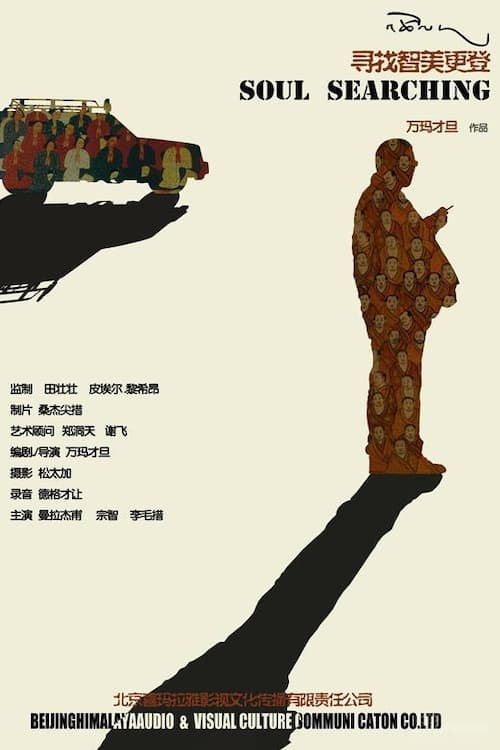
The Search
2009
No user ratings available yet
Diversity score: 6.3 out of 10
2005
Director
Pema Tseden
Runtime
102 minutes
Average Rating
No ratings yetSynopsis
A young Tibetan monk goes back home for the New Year's celebrations. Fascinated by television, he wants to bring his family's television to the monastery to show it to his master.
Overall Score
Good
Category Breakdown
LGBTQ+ Representation
The film lacks explicit evidence of LGBTQ+ characters or non-heteronormative narratives. The story focuses on the tension between tradition and modernity rather than identity-based subversion.
Gender Representation
The narrative centers on a male protagonist, a young monk. There is no specific detail regarding female characters or gendered power dynamics within the family or monastery.
Racial & Ethnic Diversity
The film provides high-level representation of Tibetan identity. By centering a Tibetan narrative, it disrupts Western-centric storytelling through a non-Anglo-Saxon cultural framework.
Religious & Cultural Diversity
The story explores how modern consumerism and television impact traditional spiritual institutions. It examines the friction between ancient monastic life and external technological imposition.
Disability Representation
There is no evidence of characters with visible or invisible disabilities within the provided narrative context.
Strengths
Areas for Improvement
AI Analysis
Pema Tseden’s work serves as a vital study of cultural transition, centering on the intersection of Tibetan monastic traditions and the disruptive influence of modern media. The film succeeds in providing a nuanced portrayal of ethnic specificity and the friction between heritage and the digital age. However, the film's focus on a male monk and the broader thematic tension between tradition and modernity leaves gender and LGBTQ+ representation at a neutral baseline. The narrative does not explicitly engage with identity politics or diverse character arcs beyond the central cultural conflict. Ultimately, the film's strength lies in its ability to challenge globalized storytelling by exploring the profound impact of modernity on indigenous lived experiences.
2009
2019

2019
2015

1999
2005
2019
2006
2006
1985
2019
2011
No reviews yet. Be the first to share your thoughts on this movie!
Use the rating form above to leave a star rating and optional review.