Beat the Drum
2003
No user ratings available yet
Representation score: 5.8 out of 10
Representation Score
Fair
2011
Director
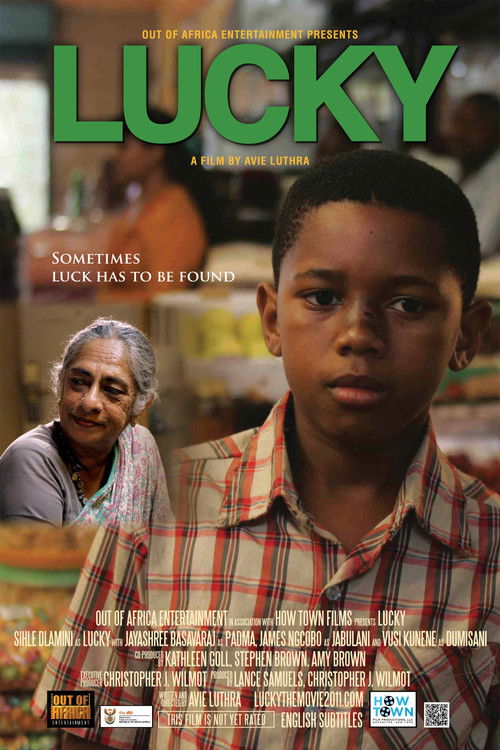
Avie Luthra
Runtime
100 minutes
Average Rating
No ratings yetNew Showbiz Analysis
Lucky stands out by deliberately moving away from Western-centric storytelling. By focusing on a post-colonial, non-Western protagonist, the film delves into racial ability to act and the intricate social dynamics of South Africa. The narrative challenges traditional gender roles by placing a woman as the primary source of stability and leadership, thereby subverting patriarchal protector archetypes. This shift offers a more nuanced character dynamic. While the film successfully subverts traditional gender and racial clichés, it lacks visible representation for LGBTQ+ identities and provides no information regarding disability.
Category Breakdown
The story focuses on the survival dynamics between a Zulu child and an Indian woman. There are no visible representations of LGBTQ+ identities or characters who challenge traditional heterosexual relationships.
An Indian woman serves as the central pillar of strength and ability to act. Her role disrupts traditional hierarchies by replacing the typical male protector with a powerful female figure, offering a fresh perspective on gender roles.
The film centers on the relationship between a Zulu orphan and an Indian woman, highlighting the multi-layered dynamics between these racial identities. This approach prioritizes non-white perspectives and explores complex South African social textures.
The story critiques societal indifference as the protagonist navigates an urban environment marked by neglect. It highlights the isolation felt by underrepresented individuals within established social structures, emphasizing the impact of cultural and religious differences.
There is no information available regarding the portrayal of physical or neurodivergent disabilities in the film.
Present on Screen
Limited or Absent
Official Synopsis
A 10-year-old South African orphan leaves his Zulu village to make his own life in the city... only to find no one will help him, except a formidable Indian woman.
2003
2004
2001
2017
2014
2010
2019

1988
No reviews yet. Be the first to share your thoughts on this movie!
Use the rating form above to leave a star rating and optional review.