I'll Come to You with Deaf Eyes
2016
No user ratings available yet
Representation score: 8.5 out of 10
Representation Score
Excellent
2019
Not RatedDirector
Irene Taylor
Runtime
90 minutes
Average Rating
No ratings yetNew Showbiz Analysis
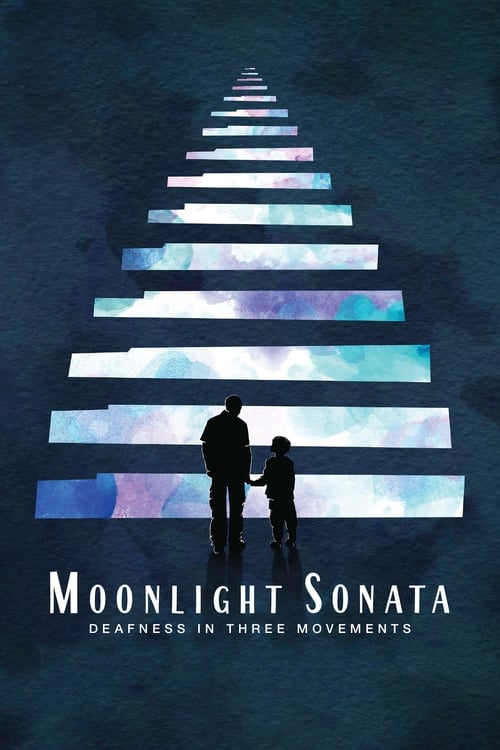
Moonlight Sonata: Deafness in Three Movements is a profound exploration of sensory experience that succeeds by treating deafness as a valid way of being rather than a deficit. By weaving together the lives of a boy, a grandfather, and Beethoven, the film elevates disability into a complex human condition. The documentary excels in its refusal to use 'inspiration porn' clichés, granting subjects immense ability to act. It uses stylized imagery and experimental soundscapes to challenge the dominance of the hearing world, creating a postmodern critique of standard reality. While the film is a masterpiece of disability representation, it remains neutral regarding LGBTQ+ identities and does not actively work to challenge traditional gendered power dynamics.
Category Breakdown
The film does not explicitly focus on LGBTQ+ identities or non-straight relationships. It maintains a neutral stance without using queer-coded subtext or non-cisgender gender identities as primary narrative drivers.
The documentary maintains a balanced perspective on sensory loss across different genders. It avoids traditional patriarchal hierarchies by centering internal realities, though it does not actively seek to challenge gendered power dynamics.
The film presents a diverse cast within the Deaf community, disrupting monolithic perceptions of disability. These individuals are portrayed as active participants in their own sensory narratives rather than passive medical subjects.
The narrative challenges Western communication norms by prioritizing subjective sensory truth over hearing-centric reality. It avoids promoting singular religious or patriotic ideals, opting for a meditative, secular exploration of identity.
This is the film's primary strength, avoiding 'inspiration porn' by refusing to frame deafness as a tragedy. It treats the sensory experience as a sophisticated, valid way of being through a historical and modern lens.
Present on Screen
Limited or Absent
Official Synopsis
A deeply personal portrait of three lives, and the discoveries that lie beyond loss: a deaf boy growing up, his deaf grandfather growing old, and Beethoven the year he was blindsided by deafness and wrote his iconic sonata.
2016
2016

1971

2018
1992
2004
2007
2010
No reviews yet. Be the first to share your thoughts on this movie!
Use the rating form above to leave a star rating and optional review.