Through Deaf Eyes
2007
No user ratings available yet
Representation score: 8.8 out of 10
Representation Score
Excellent
2016
Director
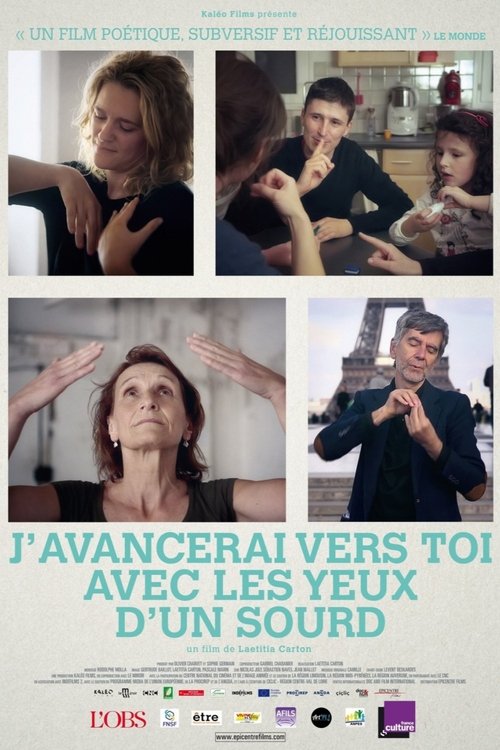
Laetitia Carton
Runtime
107 minutes
Average Rating
No ratings yetNew Showbiz Analysis
Laetitia Carton’s documentary reframes disability as a cultural heritage rather than a medical issue. By focusing on Vincent’s life, the film examines the systemic challenges faced by the Deaf community in preserving their language and traditions. The film successfully elevates Sign Language to a protected cultural asset, challenging the dominance of hearing-centric norms. This approach provides a sophisticated look at the struggle for cultural preservation. While the film offers a powerful exploration of Deaf culture, it does not explicitly engage with LGBTQ+ or broader gender issues, maintaining a more focused biographical scope.
Category Breakdown
The film does not explicitly feature LGBTQ+ identities or narratives. The score reflects a neutral baseline as the story focuses on Deaf culture rather than queer themes.
The film centers on a male figure named Vincent and his life story. It does not delve into broader gender power dynamics or explore gender issues beyond the personal relationship with Vincent.
The movie highlights the Deaf community as a unique linguistic and cultural minority. It challenges hearing-centric norms by emphasizing the importance of Sign Language in defining the community's identity.
The documentary presents Sign Language as a crucial cultural element, prioritizing the internal structures of the Deaf community over broader societal norms. This approach offers a nuanced perspective on the preservation of cultural heritage.
Deafness is portrayed as a vibrant cultural identity rather than a medical condition. The film avoids portraying deaf individuals as inspirational objects of pity, focusing instead on the systemic challenges faced by the community.
Present on Screen
Limited or Absent
Official Synopsis
This film is a letter to my friend Vincent who died ten years ago. Vincent was Deaf. He introduced me to his language, his culture, his world. Through Vincent ‘s life, the film will examine the roots of the distress that plagues the Deaf, and also explore a rich and fascinating world, a people that struggles to preserve its Sign Language and Culture.
2007
2016
1992
2019

1971
2010

2013
2000
No reviews yet. Be the first to share your thoughts on this movie!
Use the rating form above to leave a star rating and optional review.