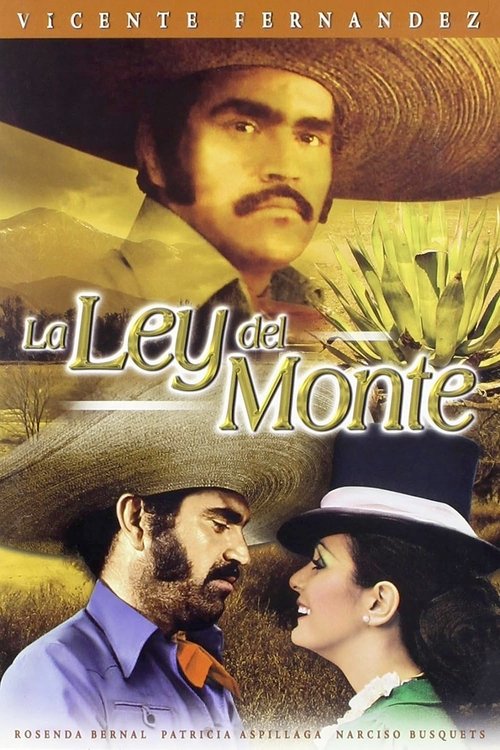
La Ley Del Monte
1976
No user ratings available yet
Representation score: 4.3 out of 10
Representation Score
Limited
1963
Not RatedDirector
Roberto Rodríguez
Runtime
106 minutes
Average Rating
No ratings yetNew Showbiz Analysis
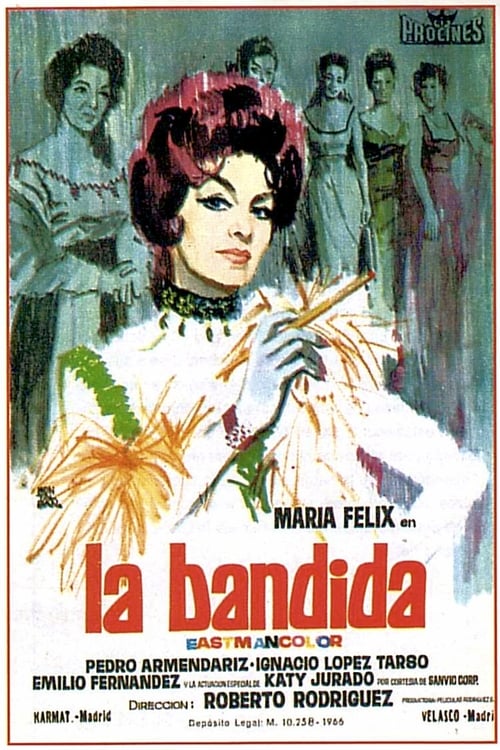
La Bandida stands out for its subversion of traditional gender roles. By focusing on a female protagonist who operates outside conventional domesticity and legal morality, the film challenges the era's expectations of women. The narrative provides a non-Western perspective, using a Latin American cast to anchor the story in regional authenticity. This non-Anglo-centric framework enriches the historical context of the Mexican Revolution. However, the film lacks representation for LGBTQ+ identities and characters with disabilities. While it excels in character-driven storytelling, it remains limited in its portrayal of social diversity.
Category Breakdown
The film centers on heterosexual relationships and conflicts, with no representation of non-cisgender identities or same-sex stories.
The protagonist challenges traditional gender roles by rejecting submissive or domestic duties. She drives the plot through her unconventional lifestyle and actions, which defy the era's expectations of women.
The film features a predominantly Cuban and Latin American cast, offering a culturally authentic and regionally grounded narrative. It presents a non-Western perspective during a time of political change in Latin America.
The story highlights class conflict and social status through the protagonist's position as an outlaw. Her survival and independence are emphasized over adherence to traditional moral codes.
There is no visible representation of characters with physical or neurodivergent disabilities.
Present on Screen
Limited or Absent
Official Synopsis
During a lull in the Mexican Revolution when Francisco Madero became president and attempted to implement land reforms, two former revolutionaries are pitted against each other for the love of the same woman.
1976

2008

1946
1959
1947
1950
1947
1949
No reviews yet. Be the first to share your thoughts on this movie!
Use the rating form above to leave a star rating and optional review.