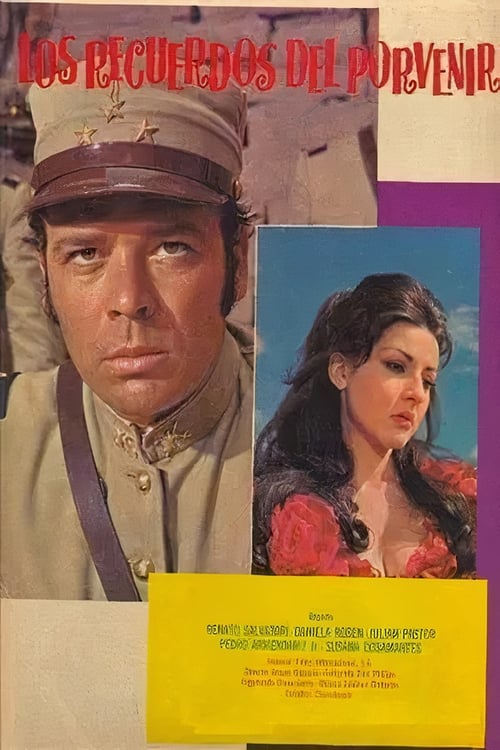
Memories of the Future
1969
No user ratings available yet
Representation score: 5.1 out of 10
Representation Score
Fair
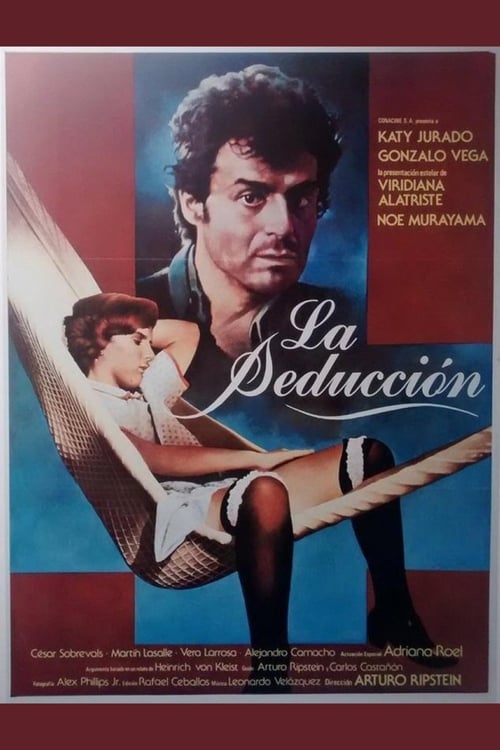
1981
Director
Arturo Ripstein
Runtime
90 minutes
Average Rating
No ratings yetNew Showbiz Analysis
Arturo Ripstein’s drama grounds its conflict in the specific ethnic and cultural landscape of Mexico. By using the historical context of the Cristero War, the film avoids generic settings and embraces regional authenticity. The film's strength lies in its subversion of traditional gender roles. Instead of portraying women as passive bystanders, the mother and daughter are shown as active, strategic protagonists. However, the film remains limited by its adherence to traditional romantic paradigms. It lacks engagement with LGBTQ+ narratives or disability representation, focusing instead on conventional heterosexual melodrama.
Category Breakdown
The film focuses on heterosexual relationships and the destructive nature of desire between men and women. There are no queer narratives or non-cisgender identities represented.
The film centers on women's ability to drive the story through the actions of the mother and daughter. These women are portrayed as strategic and proactive, challenging the stereotype of women as passive victims.
Set during the Cristero War, the film features a predominantly Mexican cast and setting. It avoids whitewashing by emphasizing the local socio-political context.
The story explores moral complexities during a religious civil war. It frames the Cristero War through human obsession and betrayal, rather than a singular religious perspective.
There are no prominent depictions of physical or neurodivergent disabilities that play a central role in the narrative.
Present on Screen
Limited or Absent
Official Synopsis
The story of two women, a mother and her daughter, who during the Cristero War set traps for government soldiers passing by their house, using seduction that was never consummated. The idea was to deceive the soldiers by making them feel safe, then hand them over, almost with their hands tied, to the Cristero guerrillas. But then one of the women, the daughter, truly falls in love with one of the soldiers, allows herself to be seduced by him, and then tries to save him, only to be killed, in the circumstances, by the soldier himself.
1969
1954

2016

1971
1964
2011

1992

1946
No reviews yet. Be the first to share your thoughts on this movie!
Use the rating form above to leave a star rating and optional review.