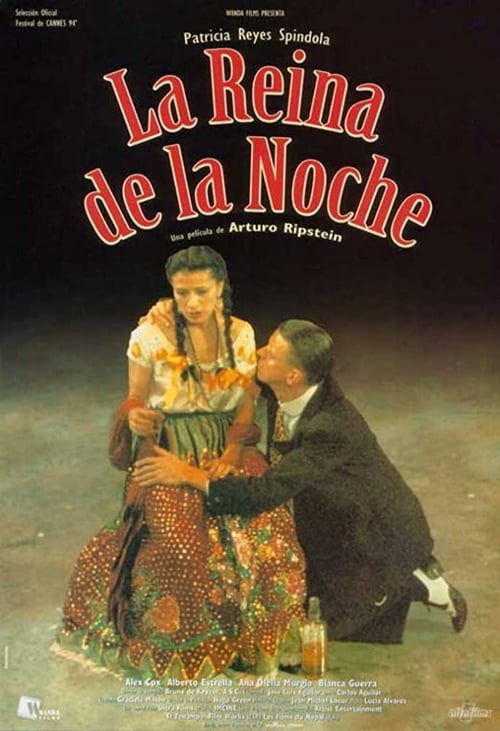
The Queen of the Night
1994
No user ratings available yet
Representation score: 6.5 out of 10
Representation Score
Excellent
2002
Director
Arturo Ripstein
Runtime
151 minutes
Average Rating
No ratings yetNew Showbiz Analysis
Arturo Ripstein’s work steers clear of conventional moralism, instead focusing on the visceral breakdown of social structures. By placing underrepresented figures, such as the Indigenous Nacho and the addicted Lola, at the center of its dramatic tension, the film challenges traditional hierarchies. It replaces standard heroics with a nuanced exploration of obsession, addiction, and political chaos. While the representation of mental health and addiction is present, it remains closely tied to the character's tragic trajectory.
Category Breakdown
The film delves into non-traditional desires through Lola’s intense, unrequited fixation on Gardenia Wilson. This portrayal of obsession with another woman challenges typical heterosexual romantic expectations and explores intimacy outside traditional domestic settings.
Lola defies the passive female victim stereotype by exerting destructive control and engaging in sadism. The narrative emphasizes psychological dominance and shifting power dynamics rather than traditional masculine leadership.
The story focuses on Nacho, an Indigenous protagonist, placing him at the emotional core of the narrative. This shifts away from historical trends of sidelining non-European identities in dramatic cinema.
Set against political unrest in 1940s Veracruz, the film critiques traditional moral frameworks. It employs underrepresented lifestyles and political instability to dismantle established social and religious institutions.
Lola is shown as unstable and grappling with severe substance addiction. These elements highlight psychological realities but primarily serve as drivers for the plot's tragic momentum.
Present on Screen
Limited or Absent
Official Synopsis
In Vera Cruz in the 1940s, Nacho, an Indian, waits tables at Don Lázaro's café at Hotel Ofélia. He falls for Lola, an opium-addicted, alcoholic whore who's hopelessly in love with Gardenia Wilson, a masked wrestler who slept with her once but knows she's unbalanced. Don Lázaro warns Nacho about Lola, and Nacho knows his love will be unrequited, but he'll do anything, regardless of how degrading, to be near her. Lola, for her part, can be sadistic. Republican exiles who are regulars at the café encourage Lola's desire to assassinate Franco. Nacho in turn mixes this political mirage with his fascination with the plot of "The Mikado." Where do fantasies and obsessions lead?
1994
1977

1989

1973
1981
1985
1969
1993
No reviews yet. Be the first to share your thoughts on this movie!
Use the rating form above to leave a star rating and optional review.