Fleets of Stren'th
1942
No user ratings available yet
Representation score: 0.3 out of 10
Representation Score
Minimal
1927
Director
Walt Disney
Runtime
7 minutes
Average Rating
No ratings yetNew Showbiz Analysis
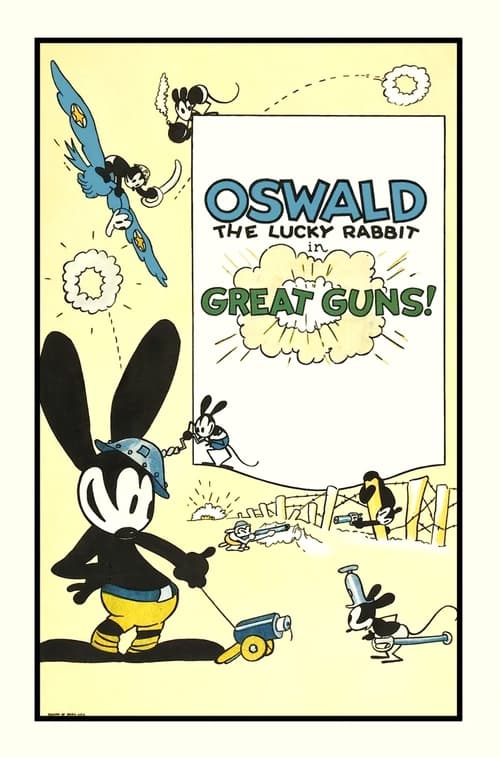
Great Guns is a product of the early animation era, prioritizing slapstick comedy and traditional wartime clichés over social complexity. The narrative relies on established 1920s archetypes, focusing on a linear journey of combat and romantic reunion. The film lacks depth in reflecting diverse social identities, presenting a world defined by traditional heterosexual relationships and rigid gender roles. Characters primarily serve as vessels for physical humor. Ultimately, the work reflects the storytelling standards of its time, offering a homogeneous view of military life and domesticity.
Category Breakdown
The film follows a traditional structure centered around a heterosexual relationship between the male protagonist and a female counterpart.
Gender roles follow 1920s archetypes. The female character is confined to a caretaking role in a hospital, while the male protagonist drives the action through combat.
The narrative lacks a diverse cast, focusing on a singular protagonist within a homogeneous military setting typical of early Western animation.
The story operates within a standard Western framework emphasizing patriotism and duty. It adheres to conventional clichés regarding military service and institutional loyalty.
The protagonist's wound serves merely as a plot device. It facilitates a transition to the hospital setting without delving into the nuances of disability.
Present on Screen
Limited or Absent
Official Synopsis
Oswald's country is at war, like many other volunters he joins the army and finds himself soon in the trenches. A short battle leaves him wounded, but at least in the field hospital where his girlfriend is working.
1942
1961
1944
1953
1942
1943
1943
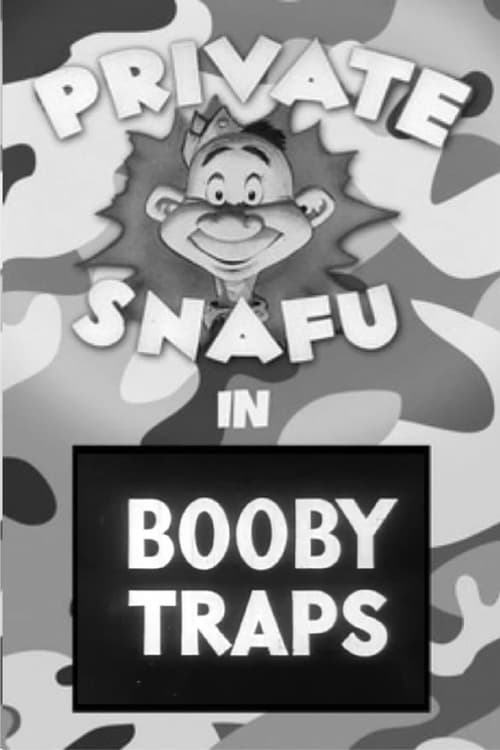
1944
No reviews yet. Be the first to share your thoughts on this movie!
Use the rating form above to leave a star rating and optional review.