
Mad Love
1995
No user ratings available yet
Representation score: 8.6 out of 10

Representation Score
Excellent
1995
RDirector
Michael Rymer
Runtime
105 minutes
Average Rating
No ratings yetNew Showbiz Analysis
Angel Baby is a significant work of post-colonial cinema that disrupts conventional historical drama. It moves away from traditionalist depictions of the mid-20th century to critique systemic oppression and institutional authority. The film's strength lies in its multi-layered approach, weaving together themes of racial identity, neurodivergence, and gendered resistance. It successfully portrays the lived experiences of Indigenous Australians and those navigating mental health challenges within restrictive social structures. While the film excels in racial and cultural critique, it remains limited by its focus on straight relationships. However, its depth in portraying real power for underrepresented characters makes it a complex and impactful narrative.
Category Breakdown
The film focuses on a heterosexual relationship and does not include LGBTQ+ characters or narratives that question the assumption that everyone is straight or cisgender.
The narrative challenges traditional gender roles by centering the female protagonist's role in driving the story. She resists patriarchal and institutional forces to maintain her maternal autonomy and emotional resilience.
The film excels by centering an interracial relationship between a white woman and an Aboriginal man. It challenges the racial segregation of the 1940s and provides significant depth to the Indigenous experience.
The story offers a critique of Western institutions like the state and police from a post-colonial perspective. It highlights the historical trauma of the Stolen Generations and colonial power dynamics.
The film provides a nuanced exploration of schizophrenia. It integrates neurodivergence into the characters' identities without using mental illness as a mere plot device or source of mockery.
Present on Screen
Limited or Absent
Official Synopsis
Two schizophrenics meet during therapy and fall in love. Unfortunately they are on a road to nowhere...
1995
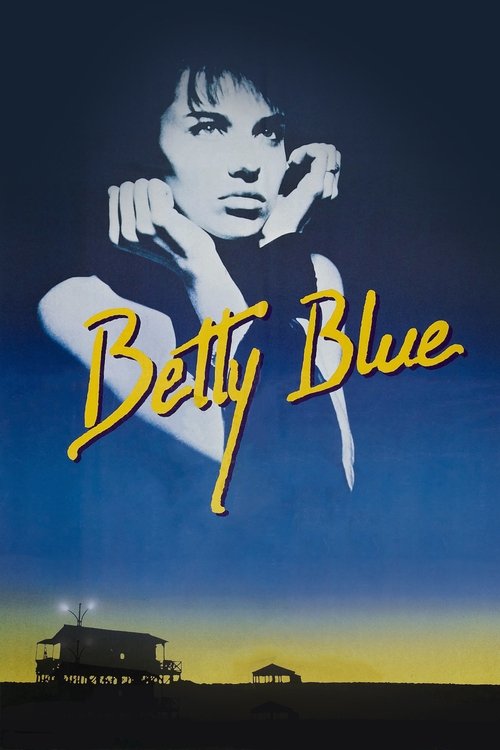
1986
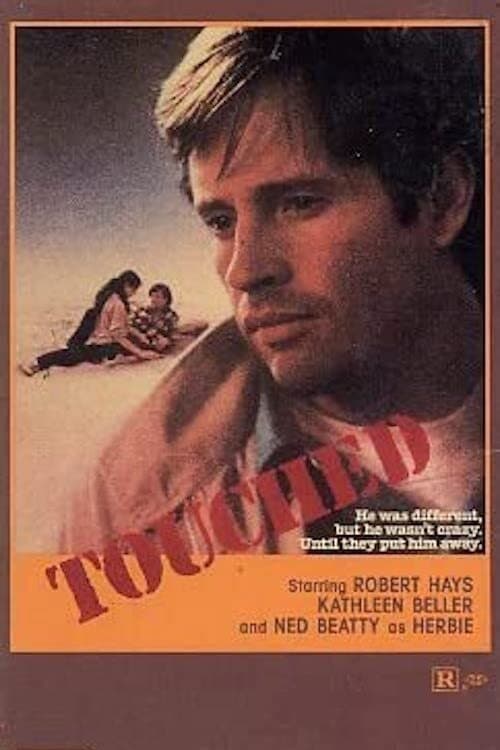
1983
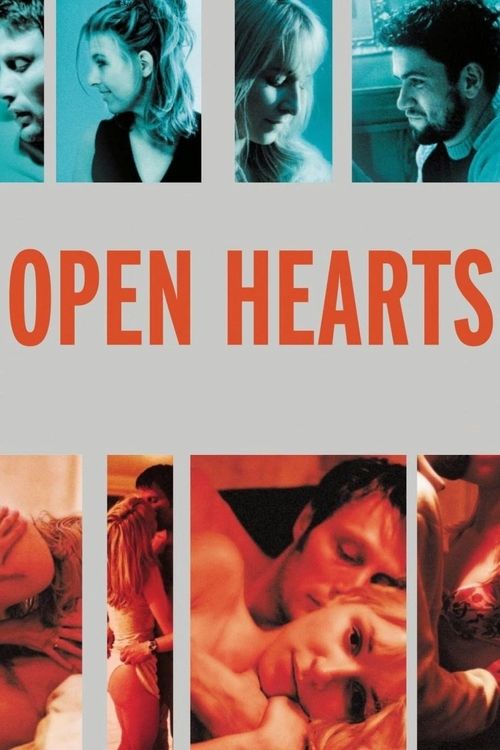
2002

2016

1990

1970

2005
No reviews yet. Be the first to share your thoughts on this movie!
Use the rating form above to leave a star rating and optional review.