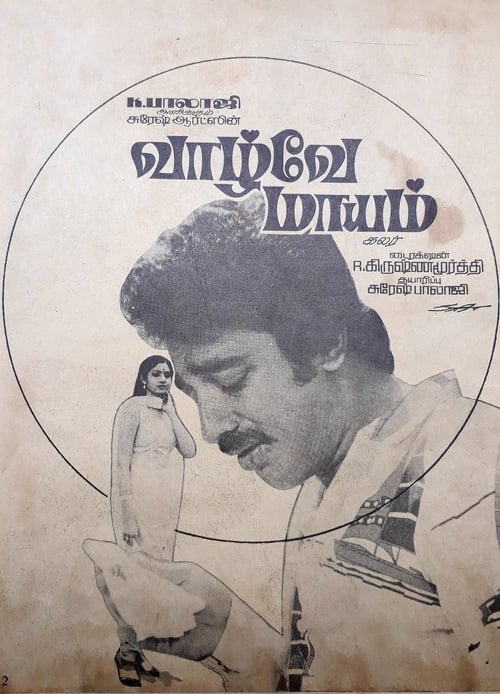
Vazhvey Maayam
1982
No user ratings available yet
Representation score: 4.5 out of 10
Representation Score
Fair
1989
Director
Mani Ratnam
Runtime
137 minutes
Average Rating
No ratings yetNew Showbiz Analysis
Mani Ratnam’s work excels in character-driven storytelling, moving away from formulaic structures to explore complex interpersonal dynamics. The film achieves depth through its nuanced treatment of gendered ability to act and dignified portrayal of mortality. However, the narrative remains within traditional romantic storytelling boundaries. It lacks explicit engagement with identity politics or the deconstruction of systemic institutions, limiting its broader social critique. Ultimately, the film is a culturally grounded melodrama. It succeeds by prioritizing emotional authenticity and regional specificity over the subversion of social or political frameworks.
Category Breakdown
The film follows a typical heterosexual romance and does not include any queer subtext or non-cisgender identities within the main characters.
Geethanjali is a strong and proactive character who sets the emotional tone of the story. She challenges the passive 'damsel' stereotype by showcasing her psychological depth and active role.
The film features a predominantly South Indian cast, offering authentic regional representation. The characters and settings are deeply rooted in a specific ethnic and cultural context.
The story is a traditional romantic tragedy emphasizing emotional realism. It focuses on personal connections rather than critiquing religion, capitalism, or Western institutions.
Terminal illness is central to the characters' stories and is handled with dignity and nuance, avoiding mockery. The film emphasizes the lived reality of terminal illness.
Present on Screen
Limited or Absent
Official Synopsis
Prakash, who is diagnosed with terminal cancer, and Geethanjali, an equally ill patient, fall in love with each other. However, when she learns about his illness, she decides to move out of his life.
1982

2009
2001

2017
1998

2005
2003
1993
No reviews yet. Be the first to share your thoughts on this movie!
Use the rating form above to leave a star rating and optional review.