
Love for Life
2011
No user ratings available yet
Representation score: 8.0 out of 10

Representation Score
Good
2010
Director
Cho Chang-ho
Runtime
104 minutes
Average Rating
No ratings yetNew Showbiz Analysis
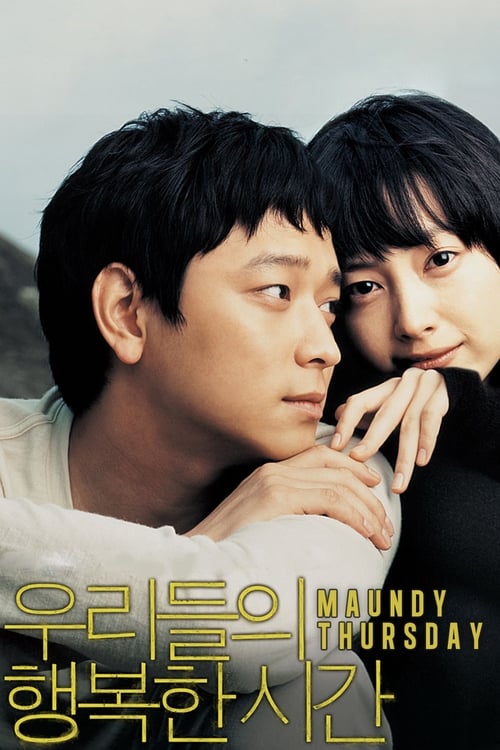
Lovers Vanished is a South Korean drama that finds its strength in subverting romantic clichés through the lens of systemic vulnerability. By centering the plot on an escaped convict and a woman both living with HIV, the film moves away from idealized romance toward a gritty, shared reality of medical and legal exclusion. The film excels at humanizing characters who are typically viewed as societal outcasts. It avoids the trap of using chronic illness as a spectacle, instead focusing on the ability to act of those navigating life-altering health crises. However, the film remains culturally localized, lacking racial diversity. While it provides a deep dive into specific social and medical struggles, it does not explore broader LGBTQ+ identities or multi-ethnic perspectives.
Category Breakdown
The film does not explicitly depict non-straight relationships. However, it explores unconventional intimacy through a shared medical crisis, highlighting the underrepresented health status of the characters.
The story places the protagonists on equal footing, disrupting traditional romantic hierarchies. Both characters navigate social and physical vulnerability, avoiding the damsel-in-distress cliché through mutual ability to act.
As a South Korean production, the cast is predominantly East Asian. The film focuses on a specific cultural context without presenting a multi-ethnic or diverse cast.
The narrative challenges social institutions by humanizing outcasts. It deconstructs the binary of criminal versus respectable citizen, prioritizing situational ethics over traditional moral sanctity.
The film offers meaningful representation of chronic illness. By centering the lived experience of HIV, it grants characters ability to act rather than using their condition as a mere plot device.
Present on Screen
Limited or Absent
Official Synopsis
An escaped convict and a woman, who both contracted HIV from the same man, fall in love.
2011

2002
2006

2000

2003

1998

2005

2000
No reviews yet. Be the first to share your thoughts on this movie!
Use the rating form above to leave a star rating and optional review.