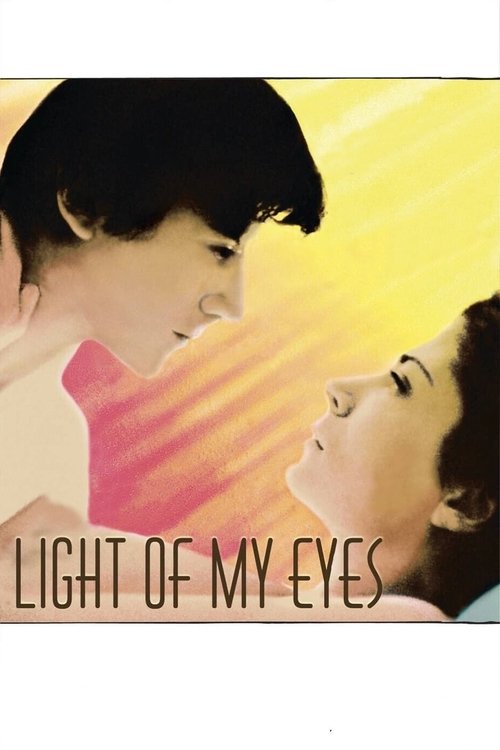
Light of My Eyes
2001
No user ratings available yet
Representation score: 1.5 out of 10
Representation Score
Good
1993
Director
Silvio Soldini
Runtime
124 minutes
Average Rating
No ratings yetNew Showbiz Analysis
Silvio Soldini’s drama explores social isolation through a protagonist whose masculinity is defined by emotional vulnerability rather than strength. The film's standout feature is the meaningful inclusion of a Romani character who drives the story's emotional and moral core. While the film excels in delving into psychological depth and cross-cultural connections, it does not explicitly represent LGBTQ+ identities. The narrative stays centered on a traditional romantic pairing, neglecting queer perspectives. Overall, the film successfully dismantles institutional authority and examines the complexities of mental health, even if these elements primarily serve to deepen character development rather than explore identity.
Category Breakdown
The story focuses on a relationship between Pietro and Pabe that assumes both are straight. There is no direct exploration of LGBTQ+ identities or a critique of the assumption that everyone is straight.
The film challenges traditional ideas of masculinity by showing Pietro's emotional vulnerability and psychological issues instead of toughness. He is not portrayed as a strong leader but as someone struggling with his emotions.
Pabe, a young Romani girl, plays a significant role in the story and influences the protagonist's moral development. Her presence highlights the importance of understanding different cultures.
The story questions strict social rules by emphasizing the value of compassion and flexibility over rigid systems. It promotes a more fluid and empathetic way of living.
Pietro's nosebleeds and visions show his internal mental struggles and feelings of being different. These symptoms highlight his psychological state but don't center on a character with a lived disability.
Present on Screen
Limited or Absent
Official Synopsis
Store security guard Pietro spends his days catching shoplifters, his weekends visiting his children who are in custody of his ex-wife, and his nights thinking about new ways to flirt with the store's makeup consultant. His malaise psychosomatically manifests itself in nosebleeds, outbursts of anger, visions, etc. One day, he sees a young Gypsy girl steal something from the store and lets it slide: he can't explain why, but she caught his eye. Pietro and Pabe – that's her name – warily start to hang out, knowing each other more and more, until something begins to blossom in them. Could their shared dream for a new, more compassionate life finally be at their fingertips?
2001
1987
2009
2002
1997
1972
1988
1991
No reviews yet. Be the first to share your thoughts on this movie!
Use the rating form above to leave a star rating and optional review.