Show People
1928
No user ratings available yet
Representation score: 2.1 out of 10
Representation Score
Minimal
1947
NRDirector
Robert Alton
Runtime
82 minutes
Average Rating
No ratings yetNew Showbiz Analysis
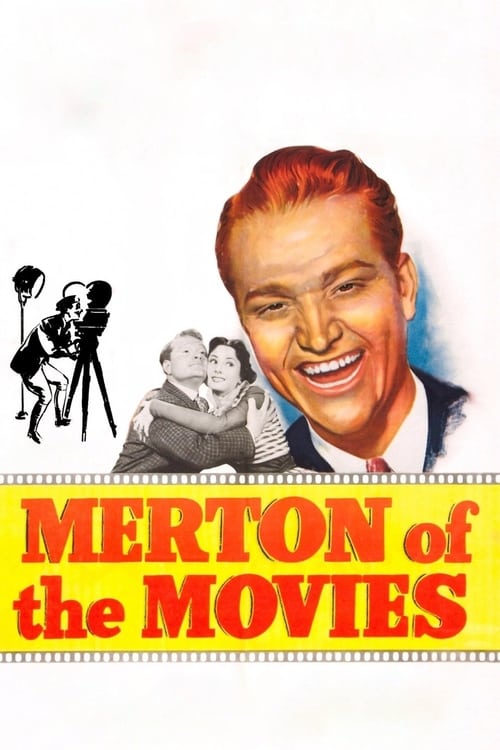
Merton of the Movies is a character-driven comedy that reflects the social norms of 1947. It reinforces mid-century social norms rather than challenging them through its casting and narrative structure. The film slightly challenges traditional female roles through Phyllis Montague's professional competence. However, this is overshadowed by a lack of racial and LGBTQ+ diversity. Ultimately, the film's critique of the movie industry is limited to the protagonist's personal experiences. It lacks the depth needed to disrupt the era's standard social hierarchies.
Category Breakdown
The film doesn't include any queer identities or non-straight relationships. Romantic elements follow traditional mid-century courtship patterns.
Phyllis Montague has some influence through her role as a stunt-woman. However, the overall story relies on traditional gender roles and domestic stereotypes.
The cast is mostly white, reflecting the casting practices of 1947. There is no evidence of diverse ethnic backgrounds or color-blind casting.
The story mildly criticizes Hollywood's superficiality through Merton's disillusionment. It upholds a traditional moral framework without deeper cultural critique.
The film does not feature any visible or invisible disabilities as central to the story.
Present on Screen
Limited or Absent
Official Synopsis
In 1915, Kansas theatre usher Merton Gill is a rabid silent-movie fan. When he brings Mammoth Studios free publicity by imitating star Lawrence Rupert's heroics, they bring him to Hollywood to generate another headline; he thinks he'll get a movie contract. Disillusioned, he haunts the casting offices, where he meets and is consoled by Phyllis Montague, bit player and stunt-woman. When Merton finally gets his "break," though, it's not quite what he envisioned.
1928
1934
1932
1928
1946
1926
1925
1925
No reviews yet. Be the first to share your thoughts on this movie!
Use the rating form above to leave a star rating and optional review.