Show People
1928
No user ratings available yet
Representation score: 2.1 out of 10
Representation Score
Minimal
1925
Director
Allan Dwan
Runtime
84 minutes
Average Rating
No ratings yetNew Showbiz Analysis
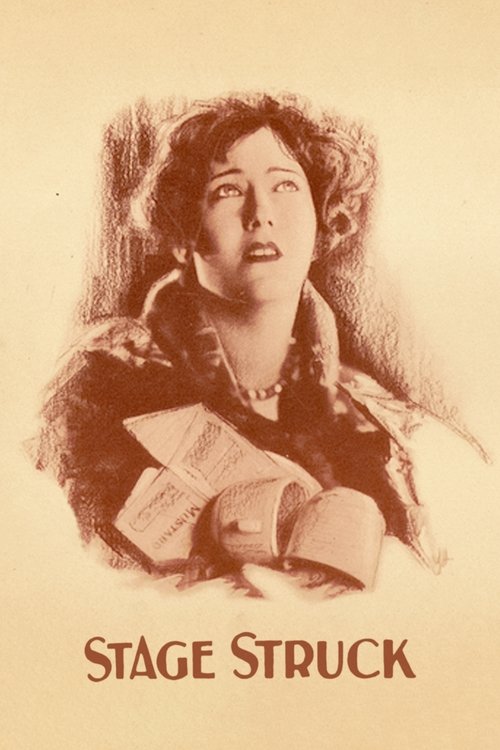
Stage Struck serves as a historical marker for the emerging control over life of women in the silent era. By centering on a female protagonist's professional aspirations, the film moves away from purely domestic female roles. However, the film remains limited by the social norms of its time. It lacks representation for diverse identities and is confined to the homogeneous social structures of the mid-1920s. Ultimately, the film's commitment to inclusion is focused on gender dynamics, capturing the energy of the flapper era but failing to provide a broader critique of systemic social structures.
Category Breakdown
The film follows a traditional romantic triangle between Jennie, Orme, and Lillian. It adheres to the conventions that assume everyone is straight or cisgender, with no visible same-sex intimacy.
Jennie Hagen provides a sense of control over her life through her professional ambitions and desire for stardom. While it challenges the passive stereotype of women, the resolution leans back toward romantic reconciliation.
The cast appears to reflect the homogeneous social structures of 1925. There is no evidence of non-white or non-Anglo-Saxon majority casting within the narrative.
The story explores the socioeconomic realities and the transient life of vaudeville performers. It lacks a deeper systemic critique of Western institutions or capitalism.
The narrative focuses on the physical comedy and romantic entanglements of an able-bodied cast. No characters with visible or invisible disabilities are integrated into the plot.
Present on Screen
Limited or Absent
Official Synopsis
Daydreaming waitress Jennie Hagen fantasizes about becoming a famous actress, while in reality she and her cook boyfriend, Orme Wilson, hope to one day own their own diner. Although Orme loves Jennie, he also has a weakness for stage stars -- so when a riverboat theatrical crew comes to their town, he is smitten by lead actress Lillian Lyons. Desperate to keep Orme, Jennie insists on going onstage to best Lillian, but is soon out of her depth.
1928
1934
1930
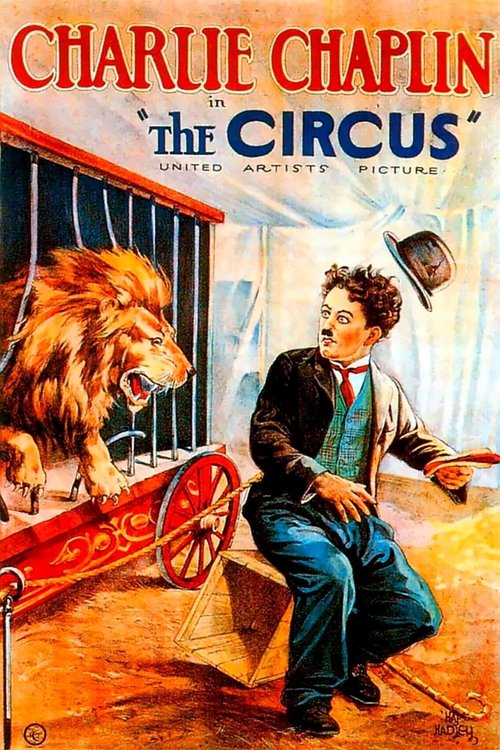
1928
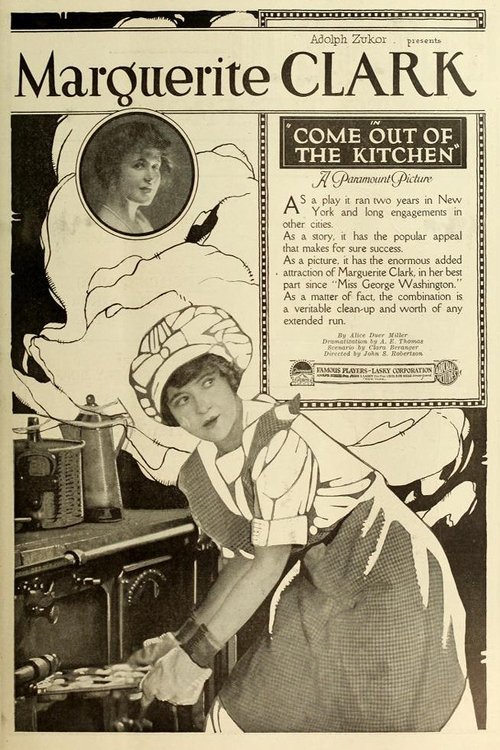
1919

1928
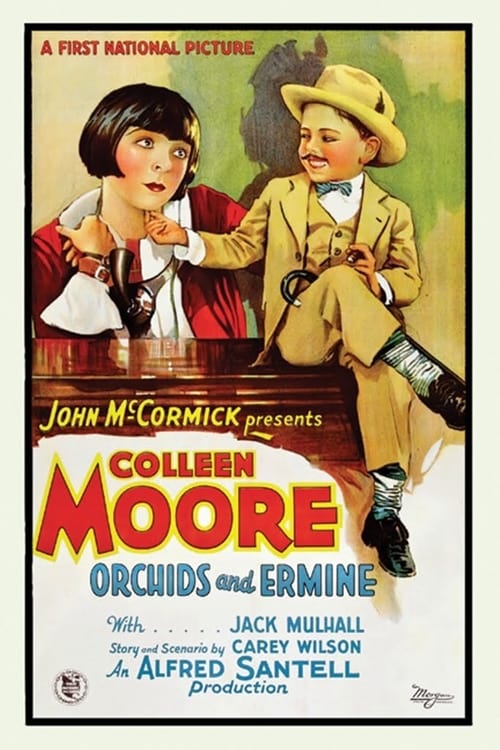
1927
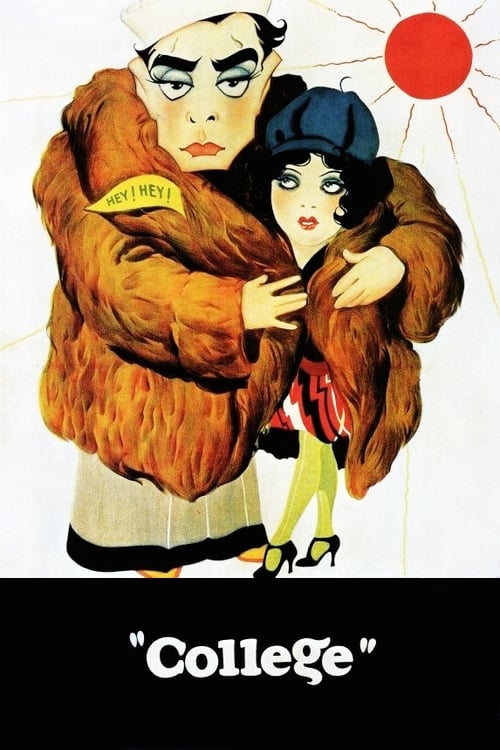
1927
No reviews yet. Be the first to share your thoughts on this movie!
Use the rating form above to leave a star rating and optional review.