
Samurai Assassin
1965
No user ratings available yet
Representation score: 2.0 out of 10
Representation Score
Limited
1960
Director
Kenji Misumi
Runtime
90 minutes
Average Rating
No ratings yetNew Showbiz Analysis
Kenji Misumi’s work provides a profound character study of Ryunosuke Tsukue, focusing on the interplay of physical vulnerability and reclaiming control. The film's primary strength lies in its nuanced portrayal of disability, moving beyond simple plot devices to explore psychological resilience. However, the film remains deeply rooted in the social and gendered frameworks of 1960s Japanese cinema. It prioritizes traditional masculine roles and adheres to the rigid social hierarchies of the feudal era, offering little in the way of gender or LGBTQ+ diversity. Ultimately, the film is a culturally specific historical drama. While it lacks multi-ethnic representation, it succeeds in using an underrepresented protagonist to examine the tension between individual control and systemic fate.
Category Breakdown
The film follows the social norms of its time and genre, showing no representations of non-straight relationships or narratives that question the assumption that everyone is straight.
The story focuses on traditional masculine roles typical of the samurai class. Although the protagonist challenges physical dominance through his blindness, the film still relies on conventional gender roles.
This is a culturally specific Japanese production set in feudal Japan, featuring characters that align with the ethnic background of that time period. It does not include a diverse or color-blind cast.
The film delves into personal morality and the individual's struggle against systemic fate. The protagonist's underrepresented status allows for a narrative that questions established institutional authority.
The plot revolves around a protagonist navigating life after losing his sight. The narrative highlights his ability to take control and influence events, breaking the usual clichés of perfect physical abilities in action movies.
Present on Screen
Limited or Absent
Official Synopsis
The sequel to Daibosatsu tôge (1960) and the second of the trilogy follows the adventures of Ryunosuke Tsukue after he is blinded.
1965
1962
1960

1974
1952
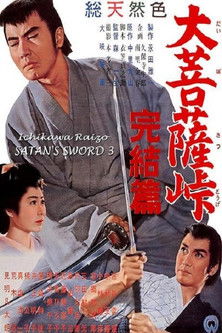
1961
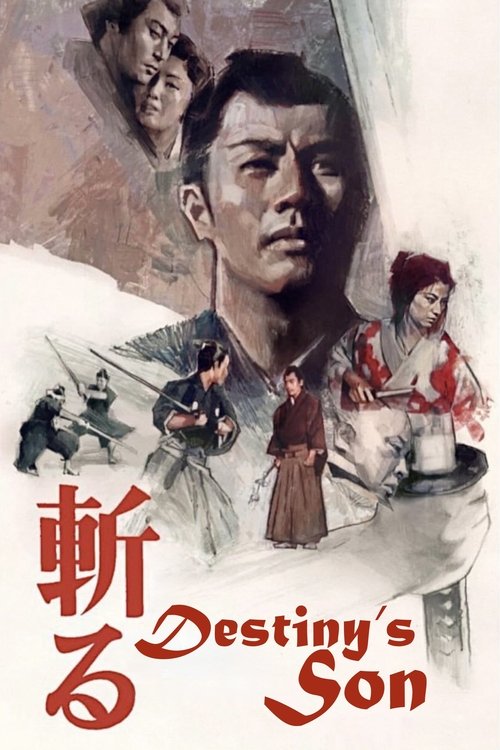
1962
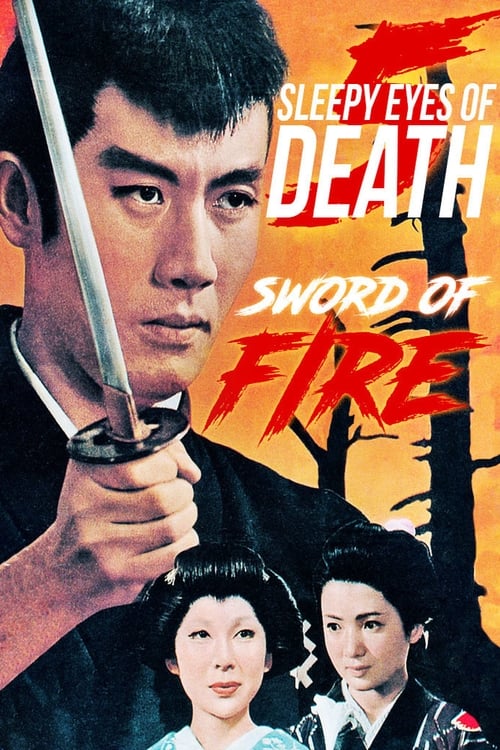
1965
No reviews yet. Be the first to share your thoughts on this movie!
Use the rating form above to leave a star rating and optional review.