
Indecent Behavior III
1995
No user ratings available yet
Diversity score: 3.8 out of 10
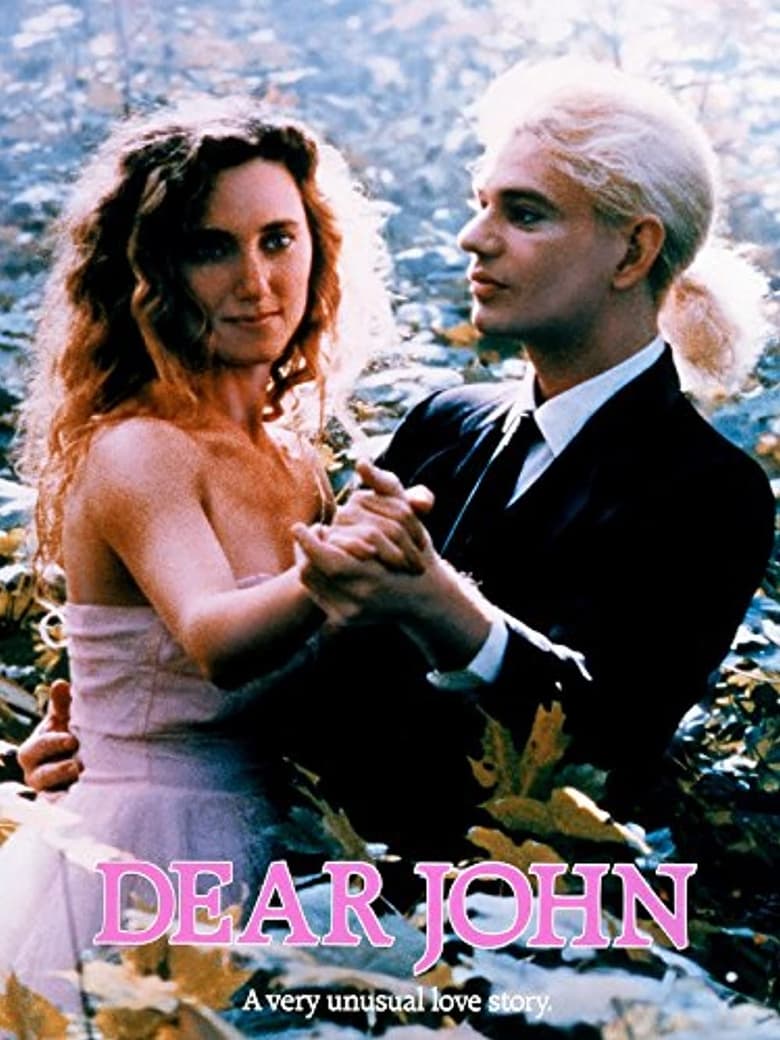
1988
Director
Catherine Ord
Runtime
108 minutes
Average Rating
No ratings yetSynopsis
A girl who is stalked by a psychotic manic hides out with transvestites who aren't at all what they seem.
Overall Score
Fair
Category Breakdown
LGBTQ+ Representation
The film features a group of gender-nonconforming individuals who serve as a sanctuary for the protagonist. This positioning disrupts common horror tropes by presenting them as a complex community rather than predators.
Gender Representation
The story follows a female protagonist navigating a survivalist structure. While she possesses agency, the narrative relies heavily on the traditional 'final girl' archetype and established genre tropes.
Racial & Ethnic Diversity
The production lacks evidence of a diverse or non-Anglo-Saxon majority cast. The narrative focus remains on psychological thriller elements rather than exploring intersectional racial or ethnic dynamics.
Religious & Cultural Diversity
The film explores marginalized subcultures, moving away from strictly heteronormative social settings. However, it does not explicitly engage in systemic critique or anti-institutional narratives.
Disability Representation
There is no verifiable evidence regarding the portrayal of physical or neurodivergent disabilities. No specific character arcs or casting details are available to assess this category.
Strengths
Areas for Improvement
AI Analysis
Dear John offers a nuanced take on horror by centering its plot around a community of gender-nonconforming individuals. By casting these characters as protectors rather than villains, the film subverts the predatory tropes often found in 1980s genre cinema. However, the film's impact is limited by a lack of racial diversity and a reliance on the 'final girl' trope. The narrative focuses on individual survival within a psychological thriller framework rather than challenging broader social hierarchies. Ultimately, while the film provides meaningful representation for marginalized subcultures, it remains anchored in traditional genre archetypes and lacks a diverse cast.
1995

1978

2004
1975

1998

1978

2008
2000

2001

2020
1984
1980
No reviews yet. Be the first to share your thoughts on this movie!
Use the rating form above to leave a star rating and optional review.