Angel of the Night
1974
No user ratings available yet
Representation score: 7.9 out of 10
Representation Score
Limited
1965
ApprovedDirector
Seth Holt
Runtime
91 minutes
Average Rating
No ratings yetNew Showbiz Analysis
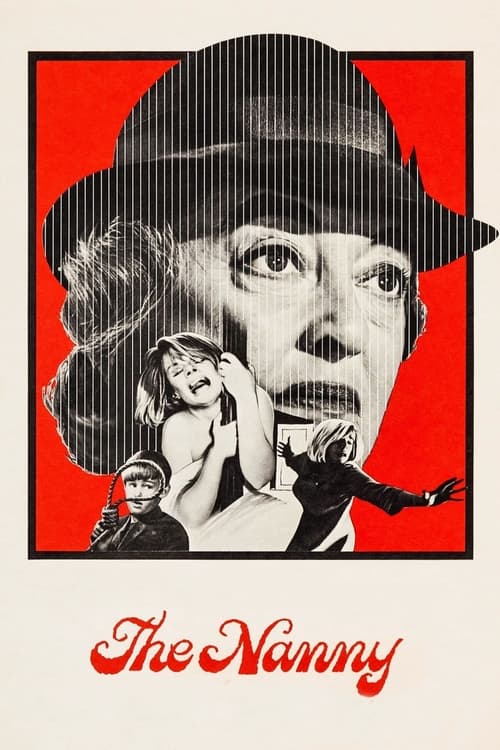
The Nanny is a period-specific psychological thriller that prioritizes domestic suspense over social representation. It offers a sophisticated deconstruction of maternal roles, challenging the competence of the female head of household. However, the film remains rooted in the demographic and cultural homogeneity of mid-1960s British cinema. It lacks the complexity or intentional demographic diversity found in more progressive works. While the film explores psychological instability and subverts domestic security, it does not engage with broader social or identity-based critiques.
Category Breakdown
The film adheres to a traditional framework that assumes everyone is straight and cisgender. It does not depict non-traditional gender identities or same-sex relationships, focusing instead on the nuclear family.
The narrative disrupts traditional gender hierarchies by centering on the psychological tension and instability of the female protagonist. It challenges the idealized maternal figure by exploring her neurosis and psychological fragility.
Set in a homogeneous British domestic environment, the cast is predominantly white. The film reflects the socio-economic and cinematic norms of 1960s England.
The story deconstructs the Western domestic ideal by portraying the nuclear family as a site of paranoia. It functions as a character study of psychological fragmentation.
Joey's history in a psychiatric ward introduces themes of mental health. However, his psychological state serves primarily as a catalyst for suspense and atmospheric horror.
Present on Screen
Limited or Absent
Official Synopsis
Nanny, a London family's live-in maid, brings morbid 10-year-old Joey back from the psychiatric ward he's been in for two years, since the death of his younger sister. Joey refuses to eat any food Nanny's prepared or take a bath with her in the room. He also demands to sleep in a room with a lock. Joey's parents -- workaholic Bill and neurotic Virgie -- are sure Joey is disturbed, but he may have good reason to be terrified of Nanny.
1974
1956

1974

1961
1974
1964
1985
1965
No reviews yet. Be the first to share your thoughts on this movie!
Use the rating form above to leave a star rating and optional review.