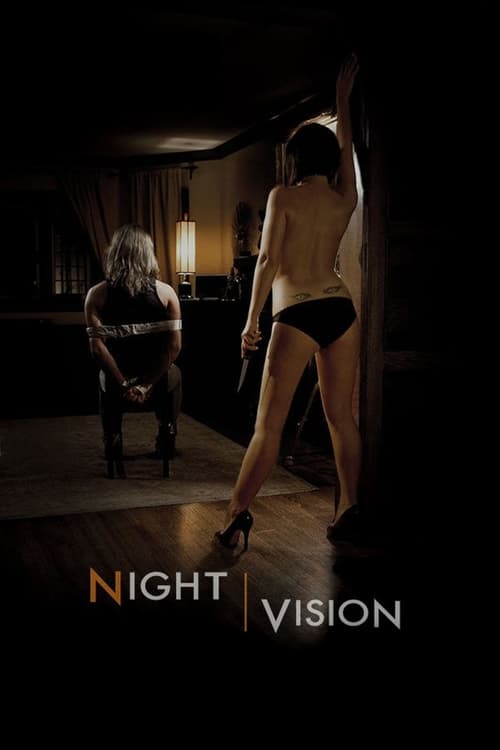
Night Vision
2011
No user ratings available yet
Representation score: 1.1 out of 10

Representation Score
Fair
2003
RDirector
Shinya Tsukamoto
Runtime
77 minutes
Average Rating
No ratings yetNew Showbiz Analysis
Shinya Tsukamoto’s work disrupts social and domestic expectations. The film successfully challenges traditional gender power dynamics, replacing established hierarchies with a volatile, shared descent into obsession. Rinko is portrayed as a complex character with significant influence rather than a submissive figure. However, the film remains narrowly focused. It lacks demographic diversity, concentrating almost entirely on a homogeneous Japanese cast within a localized setting. This limits its engagement with racial or multi-ethnic perspectives. Ultimately, the film's strength lies in its rejection of traditional moral frameworks. It prioritizes primal, private truths over societal norms.
Category Breakdown
The film focuses on a heterosexual relationship. It touches on non-traditional sexualities and intimate rituals but doesn't include explicit queer characters or stories.
Rinko breaks traditional domestic roles through her strong influence and complex personality. Her power dynamics are fluid and reciprocal, avoiding the typical submissive female stereotype.
The cast is mostly uniform, reflecting a particular urban Japanese environment. The story does not highlight multi-ethnic casting or diverse racial backgrounds.
The film dismantles traditional social structures like sexless marriages. It emphasizes personal, subjective experiences over conventional morality or religious ethics.
The narrative centers on psychological obsession. It does not significantly address visible or invisible disabilities.
Present on Screen
Limited or Absent
Official Synopsis
Rinko, a woman in a sexless marriage, is blackmailed by a stalker with intimate photos, forcing her into a series of erotic acts that disrupt her mundane life.
2011

1964

1984

2002

2010

1971

2000

2016
No reviews yet. Be the first to share your thoughts on this movie!
Use the rating form above to leave a star rating and optional review.