Dream Lover
1986
No user ratings available yet
Representation score: 3.4 out of 10
Representation Score
Limited
1991
RDirector
Frank De Felitta
Runtime
105 minutes
Average Rating
No ratings yetNew Showbiz Analysis
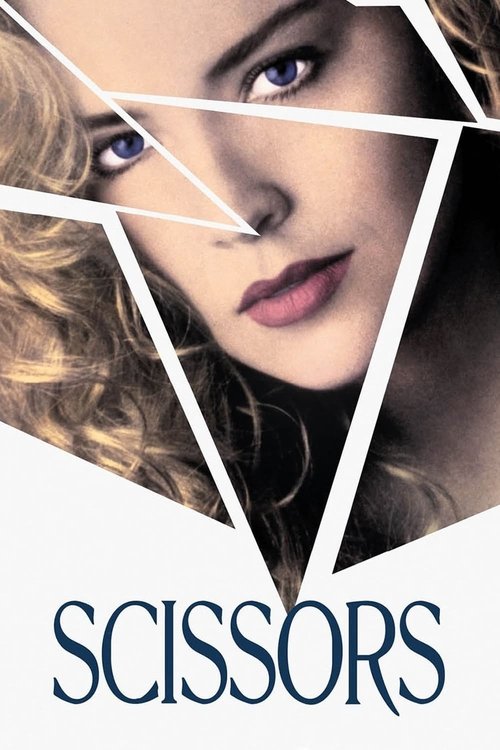
Scissors functions as a traditional psychological thriller centered on individual trauma. The narrative structure prioritizes the protagonist's fractured mental state over the exploration of systemic identity politics or social hierarchies. The film lacks indicators of intentional multi-layered representation. While it provides a female-driven perspective, the story remains localized to a singular, high-status psychological struggle. Ultimately, the work focuses on personal instability rather than the deconstruction of social structures or diverse cultural perspectives.
Category Breakdown
The film centers around a female protagonist and a male antagonist. There are no characters with non-straight or non-cisgender identities.
A woman drives the psychological conflict, providing some control over the story. However, the premise risks relying on traditional clichés of female victimhood after a sexual attack.
The setting of a posh apartment and lack of detailed information about the cast suggest a potentially homogeneous group of actors. This aligns with common casting practices in early 90s thrillers.
The film explores subjective morality and shifting truths. It lacks evidence of anti-institutional sentiments, focusing instead on individual drama within a high-status setting.
The protagonist's struggle with trauma and potential psychosis depicts mental health challenges. It remains unclear if these are handled with control over the story or used as horror plot devices.
Present on Screen
Limited or Absent
Official Synopsis
A woman trying to recover from a sexual attack is locked in a posh apartment with a corpse of the very man she's been dreaming would murder her. She tries to hang on to reality when objects around her seem to come to life.
1986

1971

1988
1965
1995

1982
2017
2017
No reviews yet. Be the first to share your thoughts on this movie!
Use the rating form above to leave a star rating and optional review.