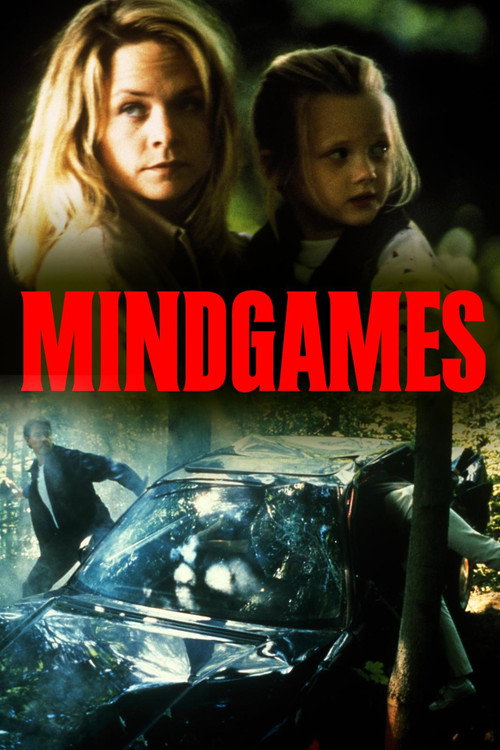
Mind Games
1998
No user ratings available yet
Representation score: 1.4 out of 10

Representation Score
Fair
2003
Director
Igor Zaritzky
Runtime
89 minutes
Average Rating
No ratings yetNew Showbiz Analysis
Devotion operates as a claustrophobic psychological thriller centered on the volatile relationship between Henry and Anja. The narrative focuses heavily on interpersonal power struggles and moral ambiguity rather than broader social representation. The film adheres to traditional cinematic norms, lacking intentional storytelling that reflects multiple aspects of identity. It prioritizes the subjective experiences of its protagonists over the inclusion of diverse identities or systemic critiques. Ultimately, the work functions as a character study of dysfunction. It does not seek to disrupt social hierarchies, focusing instead on the psychological tension between its central male and female characters.
Category Breakdown
The film centers on a heterosexual relationship between Henry and Anja. There are no queer romantic dynamics or non-binary identities represented.
Anja avoids typical damsel-in-distress clichés through her psychological vengeance and manipulation. However, the story relies on a male misunderstanding of female identity, creating transactional power dynamics.
The setting and characters suggest a homogeneous social environment. There is no indication of a diverse or multicultural cast.
The story emphasizes individual psychological trauma over religious or institutional frameworks. It functions as a character study of interpersonal dysfunction rather than a systemic critique.
While the plot touches on suicide and trauma, there are no characters with disabilities portrayed with specialized ability to act or nuanced lived experiences.
Present on Screen
Limited or Absent
Official Synopsis
In total despair, Anja is about to throw herself from a bridge. At that very moment, Henry drives past in his car. Thinking she's a prostitute, he invites her home with him. Anja pretends to be what Henry initially thought. She refuses to explain the reasons for her apparent attempt at suicide. The two begin to play strange games, engage in unusual sex, leading Anja to try fleeing the apartment, but Henry catches her. Forced by Henry, Anja tells him about Lilly who was raped and then killed someone, leaving Henry with the impression that Lilly and Anja are one, the same person. They play more mind games, make love, and after Anja going back and forth trying to leave, Henry finally lets her go. She goes, but is back again soon after. And with a vengeance, she causes a series of strange events which will change the course of both of their lives.
1998
2005

1996

1986
2015
1999

1999
1981
No reviews yet. Be the first to share your thoughts on this movie!
Use the rating form above to leave a star rating and optional review.