
Motherhood
1974
No user ratings available yet
Representation score: 5.7 out of 10
No Poster Available
Representation Score
Limited
1963
Director
Sára Sándor
Runtime
17 minutes
Average Rating
No ratings yetNew Showbiz Analysis
Gypsies (1963) serves as a vital ethnographic study that disrupts the homogeneous social narratives of its era. By focusing on the Roma people in Hungary, the film provides significant visibility to an ethnic minority and explores the tension between cultural preservation and societal adaptation. While the film excels in racial and cultural representation, it lacks verifiable data regarding other multi-layered identities. The absence of information on gender dynamics, disability, or LGBTQ+ presence limits the overall diversity impact. Ultimately, the work is a significant historical document that prioritizes the ability to act of a underrepresented group against the backdrop of mid-20th-century social pressures.
Category Breakdown
The film does not include any characters or narratives related to LGBTQ+ identities. There is no mention of non-straight relationships within the documented community.
The documentary does not provide specific details about gender hierarchies or progressive dynamics. It likely reflects the traditional familial structures common in 1960s ethnographic filmmaking.
This documentary centers the Roma experience in Hungary, highlighting the systemic friction and prejudices faced by the community.
The film documents ancient customs that resist societal adaptation, prioritizing the community's internal logic over forced assimilation. It values cultural particularism by preserving traditions.
There is no information regarding the portrayal of physical or neurodivergent disabilities. The film's documentation does not address these specific identities.
Present on Screen
Limited or Absent
Official Synopsis
This film shows the Romas' life in Hungary, the prejudices they are faced with when adapting themselves to society, and the Romas' ancient customs which often defy adaptation.
1974

2005

2003
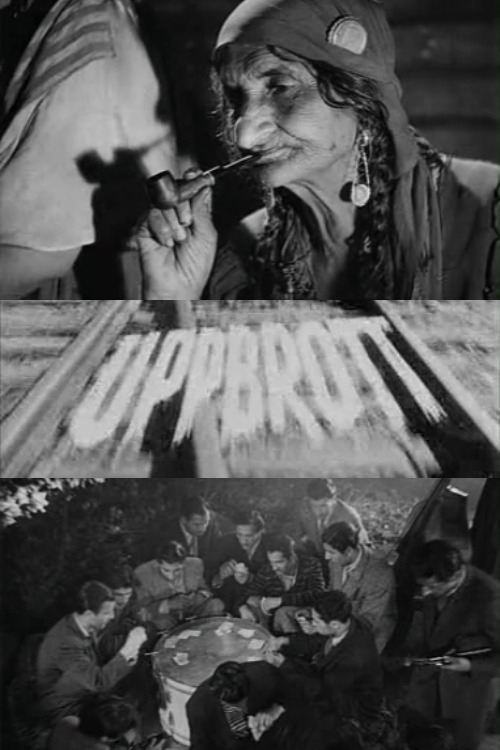
1949
2012

2024

1957
1977
No reviews yet. Be the first to share your thoughts on this movie!
Use the rating form above to leave a star rating and optional review.