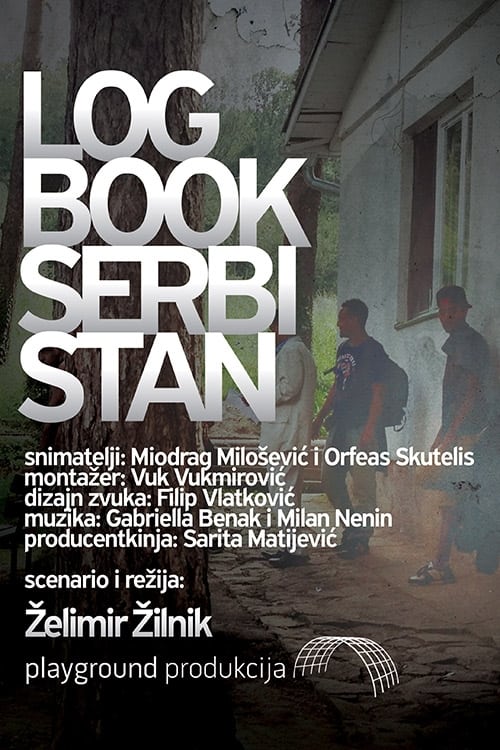
Logbook_Serbistan
2015
No user ratings available yet
Representation score: 8.9 out of 10
Representation Score
Excellent
2003
Director
Želimir Žilnik
Runtime
78 minutes
Average Rating
No ratings yetNew Showbiz Analysis
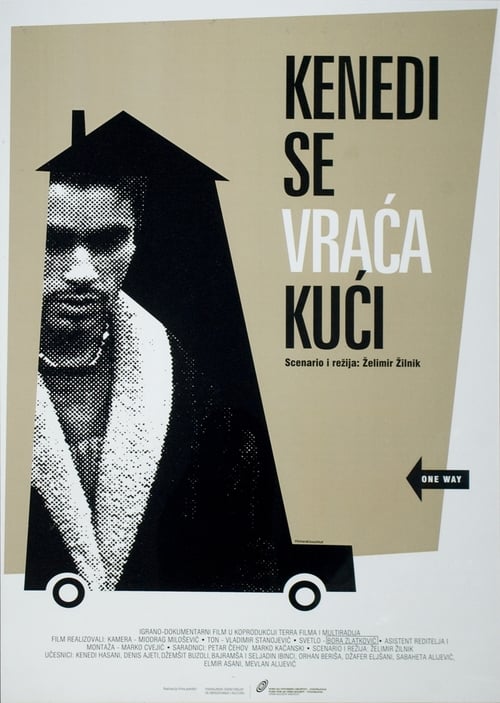
Želimir Žilnik’s documentary is a powerful piece of social realism that centers the Roma experience. It moves beyond simple inclusion to offer a systemic critique of how ethnic hierarchies and borders function globally. The film's greatest strength is its refusal to treat the Roma as peripheral characters. Instead, it grants them ability to act and uses their migration stories to challenge the moral authority of Western institutions. While the film excels in ethnic and cultural critique, it lacks depth regarding LGBTQ identities and specific disability representation. The focus remains strictly on the intersection of class, ethnicity, and geopolitical displacement.
Category Breakdown
The film focuses on socio-economic and ethnic struggles rather than LGBTQ identities. There is no explicit focus on non-straight or non-binary identities within Kenedi's central narrative arc.
The narrative centers on Kenedi and his male companion, which may seem narrow. However, it portrays fragmented family structures that challenge traditional patriarchal stability and universal household norms.
The Roma experience is the absolute center of the narrative. The film grants these characters total ability to act while critiquing the racist selection processes and systemic exclusion found in Western Europe.
The film critiques the capitalist divide between rich and poor nations. It prioritizes the subjective reality of displaced people over official state histories, highlighting the failures of Western integration.
Specific depictions of physical or neurodivergent disabilities are not a primary focus. The film instead captures the systemic disability imposed on a community by poverty and lack of resources.
Present on Screen
Limited or Absent
Official Synopsis
The first film in what would ultimately become Zilnik’s famed Kenedi trilogy follows street hustler Kenedi Hasani and his friend as they roam the streets of Serbia seeking Kenedi’s parents. Kenedi Goes Back Home is Zilnik’s account of the Roma people who were forced to flee from the war in the Balkans to Germany in the 1990s and who, ten years later, are forced against their will to return to Serbia. Zilnik shows the immigrants' lives in relation to the prevailing ideology shaped today by the borders between rich and poor and by the often-racist selection process that determines who will be accepted into Western Europe. In presenting the dilemmas and identifying the crises these people face, he appeals for a solution.
2015

2016
2019
2009

2018

2021

2005
2014
No reviews yet. Be the first to share your thoughts on this movie!
Use the rating form above to leave a star rating and optional review.