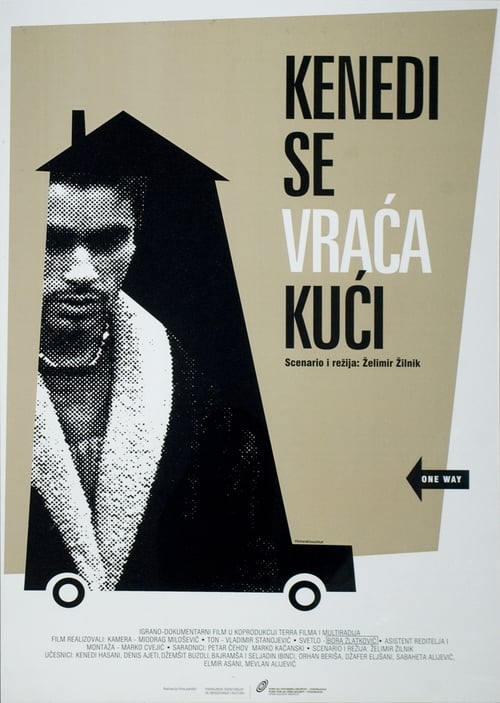
Kenedi Goes Back Home
2003
No user ratings available yet
Representation score: 8.5 out of 10

Representation Score
Good
2024
Director
Alexandra Gulea
Runtime
88 minutes
Average Rating
No ratings yetNew Showbiz Analysis
Alexandra Gulea’s documentary is a powerful piece of ethnographic cinema that centers the Aromanian diaspora. By focusing on the intersection of ethnic identity and political displacement, the film provides a necessary voice to a group often omitted from mainstream Balkan history. The narrative succeeds by using familial memory to deconstruct how statehood and borders impact underrepresented identities. The emphasis on the grandmother's linguistic heritage offers a sophisticated look at how culture survives through displacement. While the film is highly effective in its ethnic and cultural storytelling, it lacks specific information regarding LGBTQ+ themes or disability representation. However, its strength lies in its ability to challenge nationalist frameworks through a personal, matriarchal lens.
Category Breakdown
The film focuses on ethnic heritage and familial lineage. There is no explicit mention of LGBTQ+ characters or themes within the narrative.
The story centers on female lineage through the connection between the filmmaker and her grandmother. This prioritizes matriarchal transmission of language and culture.
The documentary excels by centering the Aromanian people. It explores the lived experiences of this ethnic minority navigating complex Balkan nationalism.
The film highlights systemic upheavals and the impact of nationalism on minority rights. It emphasizes linguistic preservation and the perspective of the displaced.
There is no evidence regarding the portrayal of physical or neurodivergent disabilities in this work.
Present on Screen
Limited or Absent
Official Synopsis
The Aromanians (Rrãmãnji) are an ethnic group found mainly in today’s Albania, Greece, Bulgaria and Romania. For filmmaker Alexandra Gulea, this question of heritage is connected to the name she shares with her grandmother, who was born into a traditional Aromanian life, and is fluent only in an Aromanian language. The older Alexandra's father suffered a violent death in an uprising for his people's rights, which forced the family out of Greece and into a politically treacherous Balkan landscape deep in the throes of nationalist upheavals, until finally, they found a home in Romania.
2003

2016
2017
2015
2016

2021

2006

1992
No reviews yet. Be the first to share your thoughts on this movie!
Use the rating form above to leave a star rating and optional review.