
Liyana
2017
No user ratings available yet
Representation score: 4.6 out of 10
Representation Score
Good
1977
Director
Kati Macskássy
Runtime
9 minutes
Average Rating
No ratings yetNew Showbiz Analysis
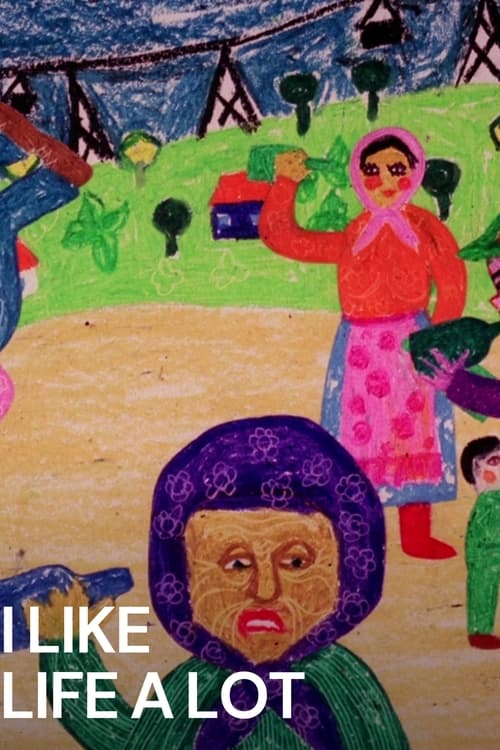
I Like Life a Lot is a powerful example of storytelling that reflects multiple aspects of identity. By combining animation with documentary techniques, it allows Roma children to reclaim their narratives. The film transforms harsh industrial realities into a subjective, child-led experience. The strength of the work lies in its refusal to view the Roma community through an external lens. Instead, it grants the subjects control over their own representation through their drawings, critiquing the systemic exploitation of labor in the 1970s. The film's cultural and ethnic depth is exceptional, disrupting traditional documentary hierarchies.
Category Breakdown
The film focuses on the socio-economic realities of Roma children in an industrial setting. There is no explicit mention of LGBTQ+ identities or queer themes.
The film emphasizes the social status and age of the pupils rather than gender hierarchies. By centering children's voices, it challenges the dominance of adult-centric viewpoints.
The film excels by centering the ability to act of Roma children through their own drawings. This approach avoids presenting the Roma community as outsiders and offers a nuanced, internal perspective.
The narrative critiques industrial capitalism by framing systemic hardship through children's fairytales. This provides a sophisticated commentary on the structures affecting the working class.
There is no specific evidence regarding the portrayal of physical or neurodivergent disabilities within the film.
Present on Screen
Limited or Absent
Official Synopsis
The Komló settlement was a typical example of how Roma labour was exploited in the 1970s industrial mass production. This collaboration of Roma pupils and their teachers portrays the children’s everyday lives through their own drawings, often translating cruel facts into fairytales.
2017
2004
2021
2011

2016
1974
2005
1963
No reviews yet. Be the first to share your thoughts on this movie!
Use the rating form above to leave a star rating and optional review.