Motherhood
1974
No user ratings available yet
Representation score: 5.7 out of 10
Representation Score
Limited
1949
Director
Arne Sucksdorff
Runtime
9 minutes
Average Rating
No ratings yetNew Showbiz Analysis
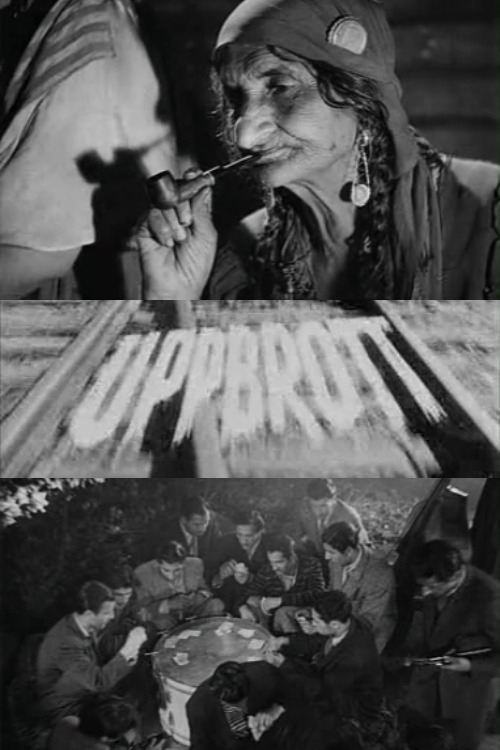
Break Up (1949) serves as a crucial historical document by centering the Romani ethnic minority. It shifts the cinematic focus away from the Swedish majority to highlight the lived experiences and logistical realities of the Romani people. The film's strength lies in its ethnographic focus on mobility and cultural identity. By documenting a community in transition, it offers a unique perspective on life outside dominant social structures. However, the work is limited by its time period. It does not engage with modern identity politics and lacks representation of LGBTQ+ identities or specific explorations of gender dynamics and disability.
Category Breakdown
This 1949 ethnographic documentary does not include any LGBTQ+ characters or themes. Its focus is solely on the communal movement of the Romani people.
While specific character arcs are not detailed, the film likely adheres to traditional familial structures. The score maintains a neutral stance towards the community's social organization without challenging gender hierarchies.
The film highlights the ability to act of the Romani ethnic minority by focusing on their cultural practices and migration. This shifts the attention away from the Swedish majority and their traditional focus.
By emphasizing a nomadic lifestyle, the film critiques the stability of sedentary Western institutions. The narrative of constant movement challenges the traditional emphasis on permanent settlement and fixed property.
There is no documented evidence regarding the portrayal of disability within this work.
Present on Screen
Limited or Absent
Official Synopsis
A short about Romanis in Sweden breaking up camp and moving on.
1974
1963

2009

1941

1964
1925
1946

1942
No reviews yet. Be the first to share your thoughts on this movie!
Use the rating form above to leave a star rating and optional review.