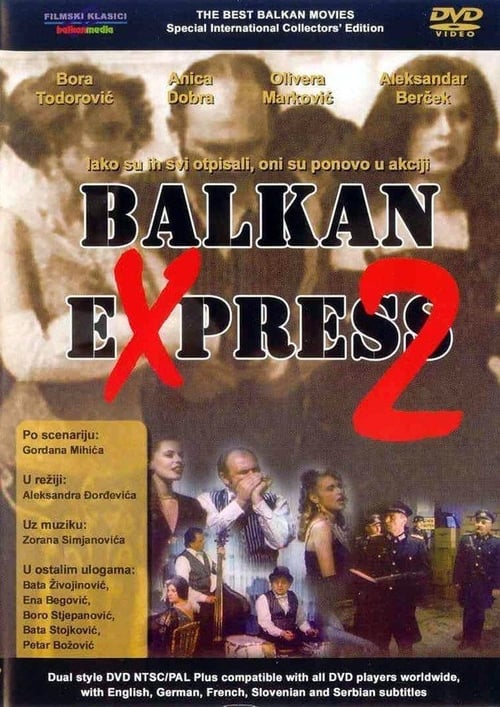
Balkan Express 2
1988
No user ratings available yet
Representation score: 1.9 out of 10
No Poster Available
Representation Score
Fair
2009
Director
Rade Marković
Runtime
90 minutes
Average Rating
No ratings yetNew Showbiz Analysis
The film studies power dynamics through an anti-institutional lens. It prioritizes systemic critique and moral ambiguity over traditionalist or patriotic values, providing a unique cultural perspective. However, the work lacks explicit markers of diverse personal identities. While the cultural representation is strong due to its deconstruction of historical norms, the absence of visible LGBTQ+ and gender diversity results in a moderate overall score.
Category Breakdown
The film does not include any explicit LGBTQ+ characters or narratives. Its focus is on the macro-political struggles of the 1941 era, which usually do not provide much space for queer visibility.
The story centers around a male protagonist and male-dominated political spheres. The focus on influential leaders and military factions suggests a traditional patriarchal power structure.
The film engages with ethnic identity by showing colliding groups like Serbians and Germans. It complicates the occupier/occupied binary by showcasing a fractured, diverse populace.
The film challenges institutional hierarchies by framing the protagonist within a collapsing social order. It critiques systemic corruption and traditional patriotic mythologies through a lens of moral relativism.
There is no documented evidence regarding the inclusion of characters with physical or neurodivergent disabilities.
Present on Screen
Limited or Absent
Official Synopsis
Set in April of the turmoil that is the year 1941. The Germans have occupied Yugoslavia and its capital Belgrade. Adolf Hitler is again drawing the new borders of Europe. Remains of Belgrade are filled with chaos, despair, black markets, famine and poverty. The Serbian people are broken up into national traitors, servants of the German occupants, chetniks, communists etc. That is the setting where our well-known characters find themselves. Our hero is Zivota Grujic – Comrade Black, the descendant of the notorious Black Gruya. Just as cunning and witty as his predecessor, Comrade Black endeavors to make use of every situation he finds himself in. Ideal opportunities open up when against his own will, he is forced to cooperate with all the present influential heads of Europe.
1988
1983
2015

1973
2004
1942
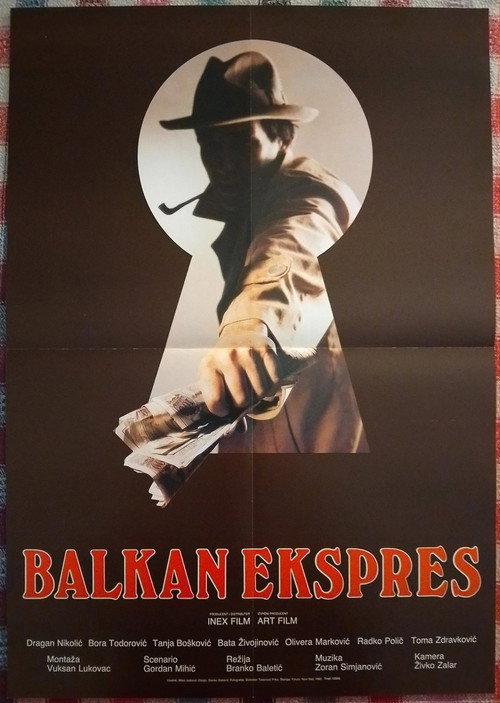
1983
1983
No reviews yet. Be the first to share your thoughts on this movie!
Use the rating form above to leave a star rating and optional review.